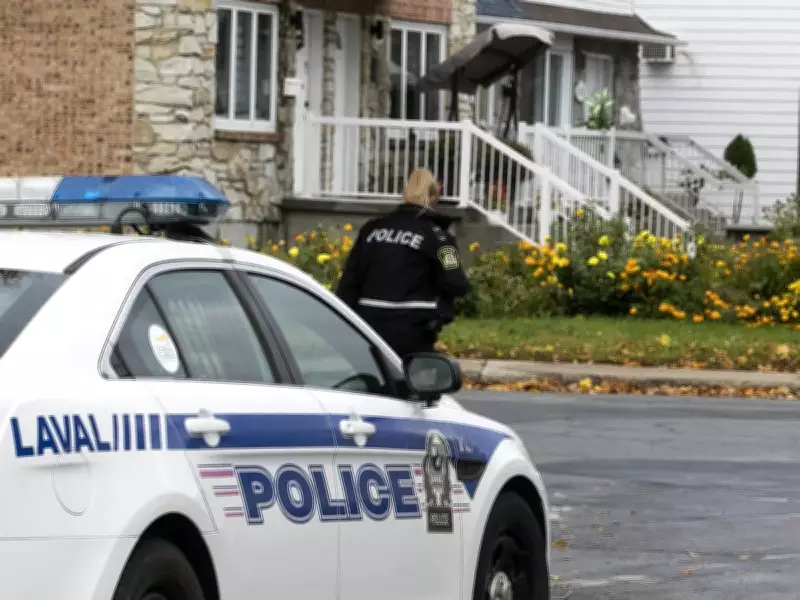
Laval Trial: Psychiatrist Disputes Drug Timing in Double Child Murder Case
In a dramatic turn at the Laval courthouse, a forensic psychiatrist testified on Tuesday to counter the claims of Kamaljit Arora, who is accused of murdering his two children. Arora, 49, has asserted that he consumed a potent form of fentanyl hours before the crimes, but expert testimony suggests this timeline would have left him severely incapacitated.
Background of the Case
Kamaljit Arora faces charges of first-degree murder for the deaths of his 11-year-old son and 13-year-old daughter, as well as planning the attempted murder of his eldest daughter, Jasmine, and assaulting his wife, Rama Rani Arora, by strangulation. All alleged incidents occurred on October 17, 2022, within the family's home in Laval. During testimony, Jasmine and Rama Rani Arora described discovering the children's bodies in upstairs bedrooms early that evening.
Arora's Defense and Drug Claims
Arora testified in his defense, stating that he purchased a drug from a street dealer and consumed it at his workplace around 2 p.m. on the day of the crimes. He claimed to have no memory of subsequent events, including how his children were killed. The jury was previously informed through written admissions that Arora killed his children by drowning.

Expert Testimony Challenges Timeline
Gilles Chamberland, a forensic psychiatrist at the Philippe Pinel Institute, was called as an expert witness to address Arora's drug claim. Chamberland identified the substance as carfentanil, an opioid 100 times stronger than fentanyl and 10,000 times more potent than morphine. He argued that if Arora had taken carfentanil at 2 p.m., he would have been very incapacitated within 30 minutes, making it impossible to carry out the complex actions described.
Chamberland presented an alternative timeline based on witness accounts, suggesting Arora ingested the drug around 6 p.m., shortly after his wife and daughter found the bodies. Witnesses observed him consuming something during this period, and he later received doses of naloxone, an opioid antagonist, in an ambulance and at Sacré Coeur Hospital before being intubated and placed in a coma.
Implications for the Trial
The psychiatrist's testimony casts significant doubt on Arora's account, implying that the drug ingestion occurred closer to the time of the crimes. Chamberland emphasized that fentanyl does not induce actions outside one's normal behavior, challenging the notion that the drug could explain Arora's alleged conduct. This evidence is pivotal as the trial continues, with the prosecution seeking to undermine the defense's reliance on drug-induced amnesia.
The case highlights critical issues in forensic psychiatry and opioid effects, with the jury tasked to weigh expert opinions against Arora's testimony. As proceedings unfold, the focus remains on the tragic loss of two young lives and the quest for justice in this harrowing Laval trial.