Priest Confronts $500,000 in Fines for Feeding Homeless Amid Ongoing Lawsuit
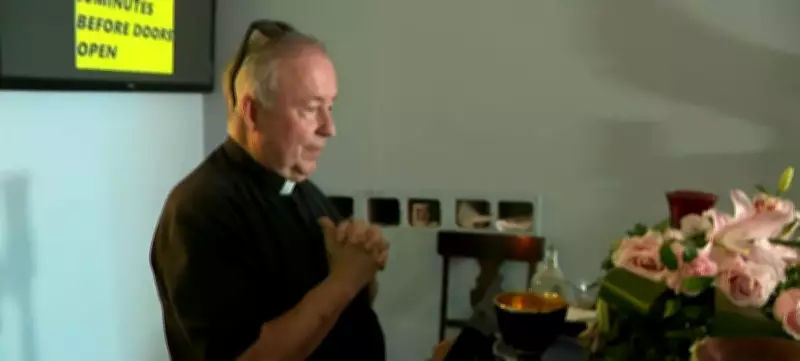
For over three decades, Father Bob Caudill has dedicated his life to serving the most vulnerable in his community. As the leader of All Saints Catholic Mission in Oakland Park, he has provided meals to homeless individuals for an impressive 36 years. However, this compassionate work has now placed him in a contentious legal standoff with city authorities, who allege he is operating a soup kitchen without the proper permits.
A Twelve-Year Legal Standoff
The conflict between Father Caudill and Oakland Park officials has been simmering for the past twelve years. City representatives claim that his charitable feeding program violates local zoning and health regulations because it lacks official authorization. Despite numerous attempts at resolution, the dispute has escalated to the point where the priest now faces potential fines totaling $500,000.
The city's lawsuit argues that All Saints Catholic Mission must comply with the same regulations as commercial food service establishments. Officials maintain that permitting requirements exist to ensure public safety and proper sanitation standards. However, Father Caudill and his supporters contend that these regulations unfairly target religious and charitable activities that serve essential community needs.

Community Impact and Response
The feeding program at All Saints Catholic Mission has become a vital resource for Oakland Park's homeless population. Many individuals rely on these meals for basic sustenance, particularly during economic downturns and housing crises. Volunteers who assist with the program describe it as a lifeline for those experiencing food insecurity and social isolation.
"This isn't just about serving food," explained one longtime volunteer. "It's about providing dignity and human connection to people who often feel invisible in our society. Father Bob creates a space where everyone is welcome, regardless of their circumstances."
Local advocates for the homeless have rallied behind Father Caudill, organizing petition drives and community meetings to support his cause. They argue that cities should facilitate, rather than hinder, charitable efforts to address homelessness and hunger.
Broader Implications for Religious Charities
This legal battle raises significant questions about the intersection of religious freedom, charitable work, and municipal regulation. Legal experts note that similar conflicts have emerged in other communities where religious organizations provide social services without seeking commercial permits.
The outcome of this case could establish important precedents for how cities regulate faith-based feeding programs and other charitable initiatives. Some observers worry that excessive regulation might discourage religious organizations from addressing social problems, while others believe reasonable oversight is necessary to protect public health.
As the lawsuit progresses through the legal system, Father Caudill continues his feeding ministry, determined to serve those in need despite the mounting financial pressure. The case highlights the complex balance between compassionate service and regulatory compliance in modern communities.