From Prison to ICE Detention: A Parolee's Harrowing Journey in California
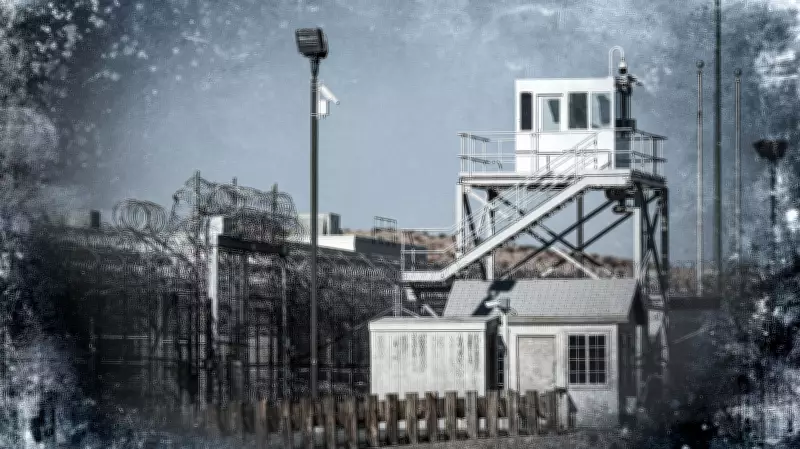
After two decades behind bars in California state prisons, Gustavo Guevara Alarcon finally secured parole, envisioning a fresh start. He had arranged housing and a job working with at-risk youth in the San Francisco Bay area, aiming to reintegrate into society and pursue the American dream. However, upon his release on July 11, 2024, his hopes were dashed as Immigration and Customs Enforcement agents awaited him, leading to his confinement at the California City Detention Facility, the state's largest immigration detention center housed in a dilapidated, former state prison.
Shocking Conditions in Immigration Detention
Guevara Alarcon was appalled to discover that conditions in immigration detention were far more severe than his prior prison experience. In state prison, he enjoyed privileges such as hugging loved ones during visits, access to rehabilitative programs, a job that allowed time outside his cell, and free clothing. In contrast, at the ICE facility, he is separated from visitors by a glass wall, spends most days locked in a frigid cell, and must purchase expensive sweats from the commissary to stay warm. Food is insufficient, detainees share nail clippers, and the building has repeatedly flooded. Medical care is often denied, and protests are met with pepper spray and prolonged solitary confinement, a recognized form of torture.
"Any immigration detention center in California is worse than being in prison," Guevara Alarcon stated, noting his time at Pelican Bay State Prison, California's infamous supermax. "It was a violent, toxic environment, but I had more freedom, rights, and privileges there."

The Shift in Immigration Policy Under Trump
Immigration detention is intended to be non-punitive, ensuring individuals attend civil legal hearings or await deportation after exhausting options. However, President Donald Trump has transformed this dynamic, using harsh conditions to pressure migrants to self-deport. This has created a growing class of administrative detainees—not accused of crimes but held indefinitely. With billions in congressional funding, the administration is expanding mass detention, including purchasing warehouses nationwide, putting hundreds of thousands at risk of inhumane treatment.
"The warehouses signal an industrialization of detention," said Silky Shah, executive director of Detention Watch Network.
Funding and Expansion of Detention Facilities
Powered by $45 billion from the 2025 One Big Beautiful Bill Act, ICE has opened dozens of new jails, including California City. The number of detainees has nearly doubled since a year ago, reaching the highest level since ICE's inception in 2003. During Trump's second term's first nine months, over 272,000 people were booked into ICE detention, according to data analyst Adam Sawyer. While the administration claims to target criminal offenders, arrests often rely on racial profiling, and many detainees, like Guevara Alarcon, have completed sentences or been paroled.
Private prison operators, such as CoreCivic, which runs California City, profit significantly from this expansion. A $130 million annual contract allows detention of up to 2,560 immigrants in a facility deemed unsafe by local officials. Detainees have described it as a "torture chamber" and "hell on earth," leading to lawsuits alleging unconstitutional conditions.
Medical Neglect and Legal Battles
Detainees report broken medical systems, with cases like Fernando Viera Reyes, who waited months for a cancer diagnosis and treatment. Despite court orders for improvements, compliance is lacking. Lawyers have filed notices of noncompliance, highlighting systemic failures. CoreCivic denies allegations of denied care or punishment, but Guevara Alarcon recounts incidents of pepper spray and solitary confinement for minor infractions, with multiple suicide attempts at the facility.
"We have contemplated giving up and asking for deportation due to these conditions," Guevara Alarcon admitted, a sentiment echoed by others with long prison histories.

Deaths and Escalating Risks
With detention numbers soaring, risks have escalated. Over 30 people died in ICE custody last year, the deadliest since 2004, and deaths continue this year. Cases like Geraldo Lunas Campos, ruled a homicide, and Victor Manuel Diaz, a presumed suicide, underscore the dangers. ICE's response often shifts, raising suspicions among families and advocates.
The Warehouse Plan and Future Implications
The administration's "ICE Detention Reengineering Initiative" aims to build mega-centers holding thousands, with ICE owning the network to facilitate mass deportations. Ten warehouses have been purchased nationwide, though none are operational yet. Local opposition and sabotage attempts have stalled some plans, but private operators like GEO Group eye profits in red states.
Despite resistance, the outlook remains grim, with dissent growing against this expanding system. As Shah noted, "The strategy is building, but the scale is alarming."