The Parole Board of Canada has refused to grant early release to a man convicted for his role in the attempted assassination of alleged Montreal Mafia figure Leonardo Rizzuto.
Parole Board Rejects Early Release
In a decision rendered late last week, the board denied both day and full parole to Steve Emmanuel Barthelemy, 36. Barthelemy is currently serving a five-year prison sentence for charges connected to the March 2023 shooting on Highway 440 in Laval.
During his parole hearing, Barthelemy claimed he was merely the driver and was unaware of his brother-in-law's intentions. He stated he did not know that Kevin Rochebrun was going to open fire on the vehicle Leonardo Rizzuto was driving.

Details of the Violent Attack
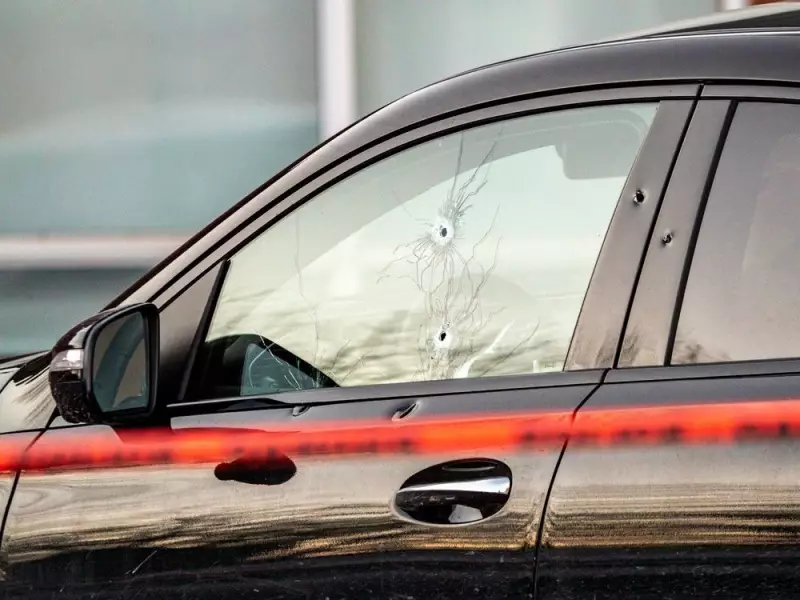
The assassination attempt left Rizzuto's Mercedes GLE 53 riddled with bullet holes. Despite being struck by three bullets, Rizzuto survived the attack but required several days of hospitalization following the incident.
In May 2024, both men pleaded guilty for their roles in the violent event. Rochebrun admitted to attempted murder and received a 10-year prison sentence. Barthelemy pleaded guilty to charges related to the prohibited firearm used in the shooting, acknowledging he knew the weapon was inside the rented Porsche used to carry out the hit.
Factors in the Parole Decision
The parole board's written summary highlighted several concerns influencing their decision. Notably, Barthelemy recently had to be hospitalized due to a drug overdose. While he claimed another inmate may have slipped drugs into his meal, the incident raised flags for the board.
Barthelemy also told the board he does not fear reprisals for his participation in the attempt on Rizzuto's life, a claim the authorities may have viewed with skepticism given the victim's alleged organized crime connections.
The Crown previously revealed that Rizzuto refused to cooperate with police investigators following the attack, a common occurrence in cases involving organized crime figures.
In their final assessment, the board concluded that Barthelemy's release would be premature and pose an unacceptable risk to society. They determined that his parole would not contribute to the protection of society by facilitating his reintegration as a law-abiding citizen.