The Parole Board of Canada has come under intense scrutiny after a recent virtual hearing for convicted cop killer Peter Pennett, where the name of his victim, Sudbury Police Constable Joe MacDonald, was conspicuously absent from the proceedings. This omission has ignited fury within the Sudbury community and beyond, as MacDonald's family and supporters feel his memory was disregarded.
Details of the Parole Hearing
In early April 2026, the board conducted a parole review for Pennett, who is serving a life sentence for the 1993 murder of Constable Joe MacDonald. Despite the gravity of the crime, the nine-page decision document obtained by media outlets failed to mention MacDonald, his widow Nancy, or his two children, who were left fatherless. Instead, the focus shifted to Pennett's background and rehabilitation efforts.
The board extended Pennett's day parole by an additional six months, signaling a move toward potential full parole in the near future. This decision was made without direct acknowledgment of the victim's family, who have submitted impact statements pleading for no contact and restrictions on Pennett's movements in the Sudbury area.

The 1993 Murder Case
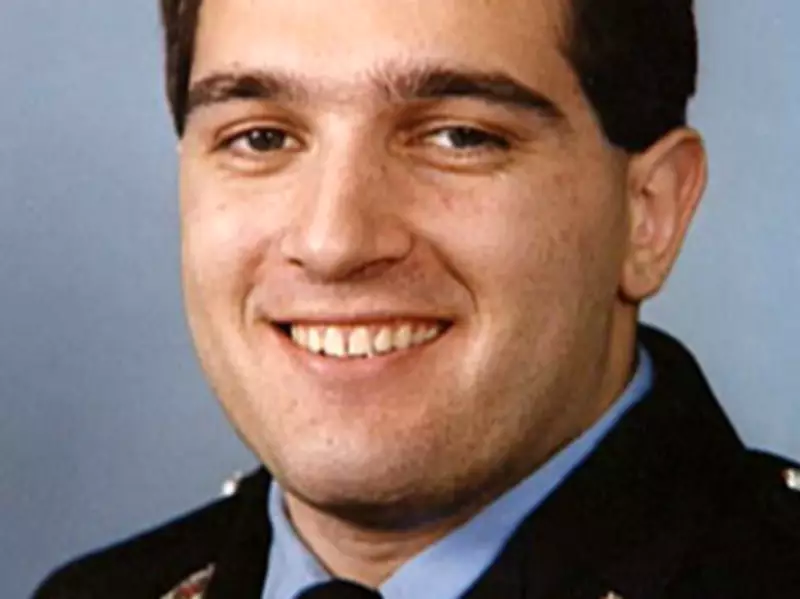
On October 7, 1993, Joe MacDonald, a 29-year-old husband and father, was ambushed during a routine traffic stop by Pennett and his accomplice Clinton Suzack. The attackers pistol-whipped and shot MacDonald seven times, including three bullets to the back of his head, in a cold-blooded execution that shocked the nation. Both criminals were swiftly apprehended and sentenced in 1995 to life imprisonment with no parole for 25 years.
Suzack passed away in a halfway house in January 2025, leaving Pennett as the sole remaining perpetrator. The parole board's report detailed Pennett's extensive criminal history and noted the ongoing trauma inflicted on MacDonald's family and the Sudbury community, yet it omitted any direct reference to the officer by name.
Community and Family Outrage
Residents of Sudbury have expressed profound disappointment and anger over the board's oversight. For over three decades, the community has remembered Joe MacDonald as a hero, and his family continues to grieve his loss. The failure to mention him in the parole hearing has been described as shameful and dismissive of the victim's legacy.
In their decision, the board emphasized Pennett's Indigenous heritage from the Ojibwa Garden River First Nation, citing factors such as disconnection from cultural roots and past substance abuse as contextual elements. While these were considered in the parole evaluation, critics argue they should not overshadow the severity of the crime or the victim's memory.
Broader Implications for Crime Victims
This incident highlights a recurring issue in the justice system, where victims' names and stories can be marginalized during parole processes. Advocates for crime victims stress the importance of keeping victims at the forefront of such discussions to ensure accountability and respect for those affected by violent acts.
The parole board's actions have sparked calls for reform to ensure that victims are not forgotten in future hearings. As Pennett inches closer to full parole, the Sudbury community remains steadfast in honoring Joe MacDonald's memory and demanding justice for his family.