RCMP Declines Criminal Charges in Deadly Lions Bay Landslide After Investigation
The Royal Canadian Mounted Police (RCMP) has officially announced that no criminal charges will be filed in connection with the devastating landslide that struck Lions Bay, British Columbia, in December 2024. This decision concludes a comprehensive investigation into the catastrophic event that resulted in multiple fatalities and significant property damage.
Investigation Findings and Rationale
According to the RCMP, the investigation meticulously examined all available evidence, including geological reports, witness statements, and expert analyses. Authorities stated they were unable to corroborate any criminal intent or negligence that would warrant charges under the Criminal Code. The focus was on determining whether any individual or entity could be held criminally responsible for the landslide's occurrence.
The RCMP emphasized that their role was strictly to assess criminal liability, not to evaluate civil or regulatory matters. This distinction is crucial, as other agencies may still pursue actions related to environmental regulations or municipal bylaws. The police noted that landslides are complex natural phenomena often influenced by factors like weather, terrain, and geological conditions, which can complicate attributing direct criminal fault.

Community Impact and Cleanup Efforts
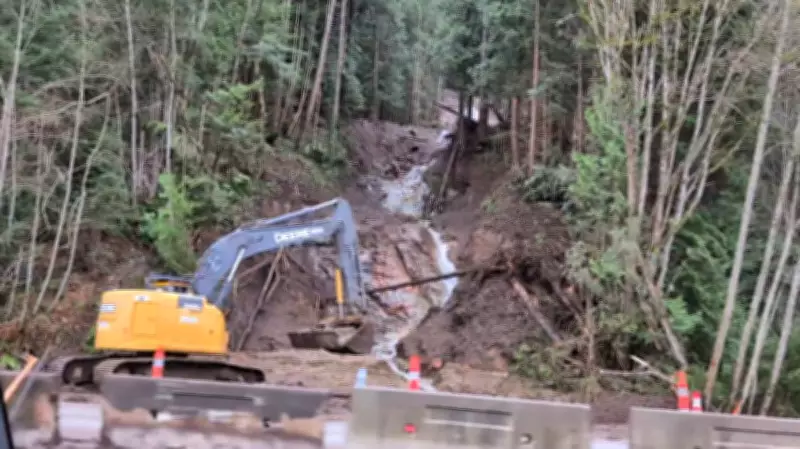
The landslide, which occurred on December 14, 2024, caused widespread destruction in the coastal community of Lions Bay, located approximately 30 kilometers north of Vancouver. Emergency responders worked tirelessly in the aftermath, with cleanup efforts continuing for weeks. The incident has left a lasting impact on residents, many of whom are still grappling with the emotional and physical toll.
Local officials have expressed relief that the criminal investigation has concluded, allowing the community to focus on recovery and rebuilding. However, some residents have voiced concerns about whether sufficient preventive measures were in place, highlighting ongoing discussions about land-use planning and disaster preparedness in mountainous regions.
Broader Context and Safety Considerations
This case underscores the challenges in addressing natural disasters through the criminal justice system. While the RCMP's decision may bring closure to one aspect of the tragedy, it raises questions about accountability and safety protocols in areas prone to geological hazards. Experts suggest that such events necessitate a multi-faceted approach involving:
- Enhanced monitoring of slope stability in vulnerable zones
- Stricter enforcement of building codes and development regulations
- Increased public awareness and emergency response training
- Collaboration between government agencies and scientific institutions
The RCMP has reiterated its commitment to public safety and encouraged anyone with new information to come forward. Meanwhile, the community of Lions Bay continues to heal, with support from provincial and federal resources aimed at long-term resilience. This incident serves as a somber reminder of the unpredictable power of nature and the importance of proactive risk management in Canada's diverse landscapes.