A paramedic report has disclosed that police officers employed a neck restraint during a confrontation with a British Columbia man who subsequently died, according to details emerging from the incident. The revelation adds to ongoing scrutiny of police use-of-force tactics and their potential consequences in the province.
Details of the Altercation and Medical Response
The altercation occurred in an undisclosed location in British Columbia, where officers responded to a call involving the man. During the encounter, paramedics observed that a neck restraint was applied by police, a technique that can restrict airflow and blood circulation if improperly used. The man became unresponsive shortly after the restraint was implemented, prompting emergency medical intervention.
Paramedic Observations and Immediate Aftermath
Paramedics at the scene noted the man's critical condition following the restraint, administering life-saving measures before transporting him to a nearby hospital. Despite these efforts, he was pronounced dead shortly after arrival. The paramedic report, which documents the medical response, highlights the timing and nature of the restraint as a key factor in the man's deterioration.

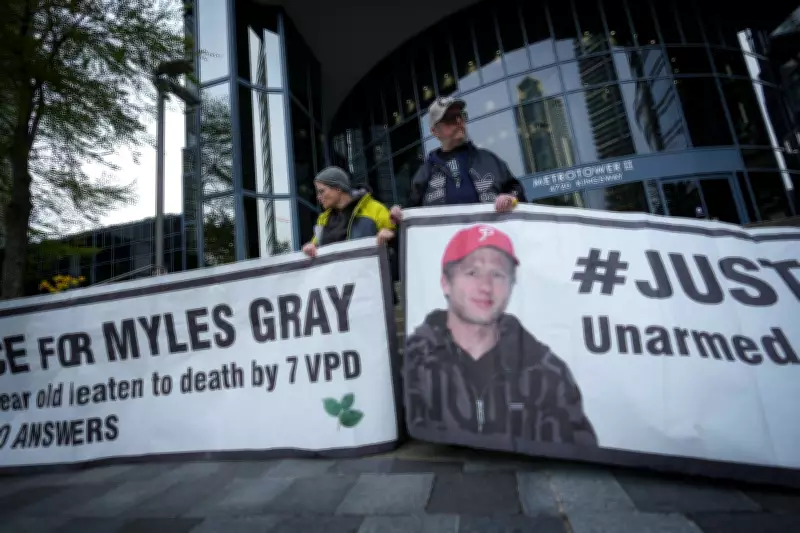
This incident echoes previous cases in Canada where neck restraints have been linked to fatalities, sparking debates over their safety and regulation in law enforcement. In 2015, the death of Myles Gray after a confrontation with multiple police officers in Burnaby, B.C., led to a coroner's inquest and protests, underscoring similar concerns about police accountability.
Broader Implications for Police Practices
The use of neck restraints by police has been a contentious issue nationwide, with some jurisdictions restricting or banning the technique due to risks of serious injury or death. In British Columbia, police agencies have faced calls to review and reform use-of-force protocols, particularly following high-profile incidents involving restraints.
- Increased scrutiny on training and oversight for neck restraint applications.
- Potential for policy changes to limit or prohibit such techniques in non-lethal situations.
- Ongoing investigations by independent bodies, such as the Independent Investigations Office (IIO) in B.C., to assess officer conduct.
Community and Legal Reactions
Community advocates and legal experts have expressed alarm over the paramedic report's findings, urging transparency and accountability from law enforcement. "When restraints lead to fatalities, it raises urgent questions about whether less harmful alternatives were available," noted a civil rights representative. The incident may prompt further inquests or reviews, similar to the Gray case, to examine systemic issues in police interactions with the public.
As investigations proceed, the paramedic report serves as a critical piece of evidence, emphasizing the need for thorough documentation and independent analysis in use-of-force incidents. The outcome could influence future policies on police tactics in British Columbia and beyond, aiming to prevent similar tragedies.