Former 'Dances With Wolves' Actor to Be Sentenced in Las Vegas for Sexual Assault of Indigenous Girls
Nathan Chasing Horse, an actor recognized for his role in the acclaimed film Dances With Wolves, is set to be sentenced in Las Vegas following his conviction on charges of sexually assaulting Indigenous girls. The case has drawn significant attention due to its implications for justice and the protection of vulnerable communities.
Legal Proceedings and Court Appearance
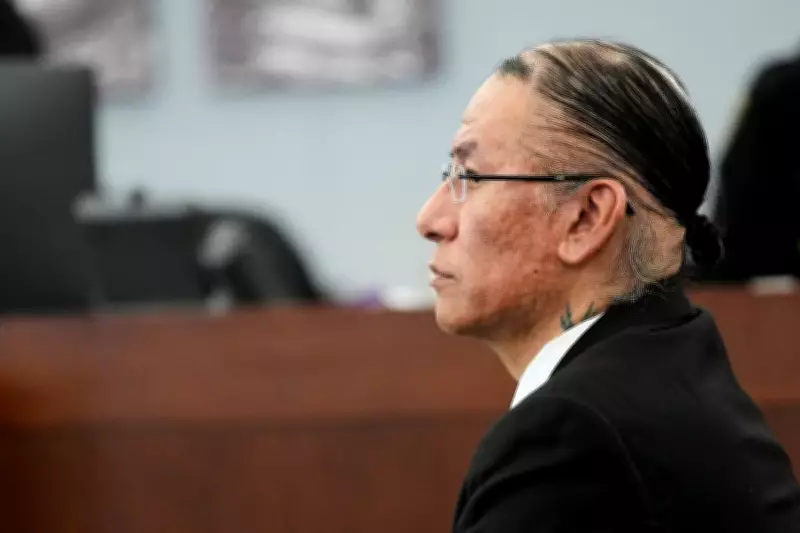
Chasing Horse appeared in court on January 20, 2026, for his trial, where he faced multiple counts related to the sexual abuse of Indigenous women and girls. The proceedings, held in Las Vegas, culminated in a conviction, with sentencing scheduled for a later date. This development marks a critical step in a case that has underscored systemic issues within the legal system regarding Indigenous rights and safety.
Background and Impact on Indigenous Communities
The allegations against Chasing Horse involve the sexual assault of Indigenous girls, a group historically marginalized and disproportionately affected by such crimes. This case has sparked broader conversations about the need for enhanced legal protections and support services for Indigenous communities, particularly in addressing gender-based violence. Advocates emphasize that such incidents highlight ongoing challenges in achieving justice and equity.

Reactions and Broader Implications
Public and legal reactions to the case have been mixed, with many expressing relief at the conviction while calling for stricter sentencing to deter future offenses. The sentencing phase is expected to consider the severity of the crimes and their impact on the victims, potentially setting a precedent for similar cases. As the legal process unfolds, it serves as a reminder of the importance of accountability and the ongoing fight against sexual violence in all forms.
In summary, Nathan Chasing Horse's upcoming sentencing in Las Vegas represents a pivotal moment in addressing sexual assault against Indigenous girls, with implications for both legal outcomes and community healing. The case continues to resonate as a call to action for improved justice mechanisms and support for affected individuals.