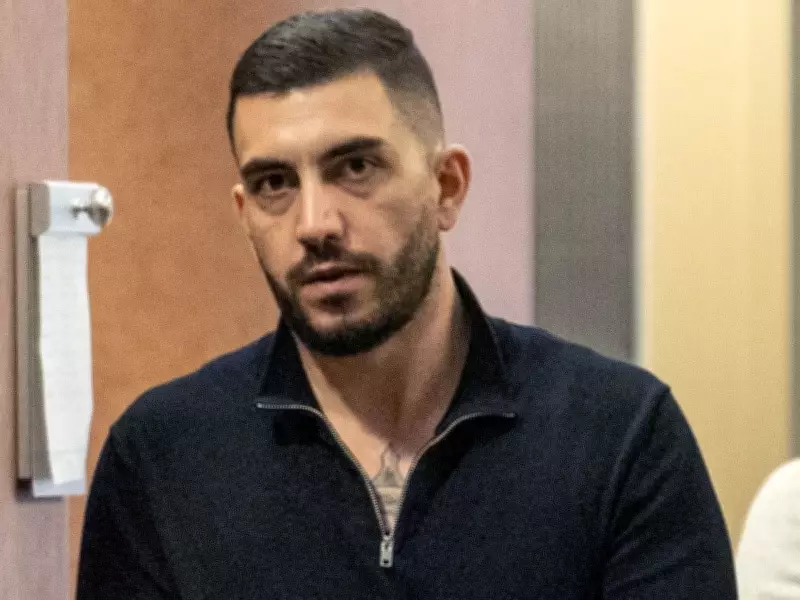
Montreal Residents Sentenced for Targeting American Seniors in Fraud Scheme
Two Montreal-area men have been sentenced to prison terms for their involvement in a sophisticated grandparent fraud scheme that specifically targeted elderly residents in the United States. The sentencing took place at the Montreal courthouse, where Quebec Superior Court Justice Éliane Perreault delivered the verdicts following guilty pleas entered by both defendants in October.
Sentencing Details and Judicial Proceedings
Carson Sean Vaudry, a 30-year-old resident of Beaconsfield, received a prison sentence of 20 months, while Paul Létourneau, 29, from St-Léonard, was sentenced to two years behind bars. The court accepted a joint recommendation for these sentences, which also include significant probation periods. Létourneau will face one year of probation following his incarceration, while Vaudry will be subject to three years of supervised release after completing his prison term.
Both men pleaded guilty to conspiracy charges and two counts of fraud related to their participation in the criminal network. During the sentencing hearing, their lawyers presented receipts demonstrating that the defendants had surrendered funds to be returned to victims. Vaudry surrendered more than $11,000, while Létourneau turned over $5,000 plus an additional $2,000 that had been seized from his home during his arrest.

Operation of the Fraudulent Scheme
The criminal network operated between October 2020 and March 2021, specifically targeting elderly Americans through deceptive phone calls. The fraudsters employed a classic grandparent scam approach, where callers would pretend to be the victim's grandchild in distress. They typically claimed to need money for bail, with an initial request of US$9,000.
In some instances, the scammers elaborated their stories, claiming they were passengers in a vehicle driven by an unfamiliar person when police stopped the car and discovered cannabis inside. If the targeted senior agreed to provide what they believed was bail money for their grandchild, they were then directed to communicate with individuals posing as police officers, lawyers, or judges to complete the fraudulent transactions.
Financial Impact and Victim Details
The fraudulent operation had significant financial consequences for its victims. The network requested more than $1.2 million from elderly targets in the United States and successfully obtained US$316,400 from 20 different victims. One particularly affected individual lost more than US$70,600 to the scheme.
During sentencing proceedings, Justice Perreault noted disturbing details about the emotional impact on victims. In one recorded call, a victim of Létourneau's became so distressed that he reported difficulty breathing and feeling unwell. Rather than showing concern, Létourneau begged the victim not to seek medical attention, fearing that doing so would expose the fraudulent scheme. When the victim became incoherent, Létourneau simply ended the call and proceeded to contact other elderly targets.
Broader Investigation and Related Cases
This sentencing represents part of a larger investigation conducted by the Sûreté du Québec, known as Operation Partenariat. The leader of the fraud scheme, David Anthony Di Rienzo, 32, received a 42-month prison sentence in January for his role in orchestrating the criminal network.
One case remains pending in the investigation—that of Joshua Sarroino, a 31-year-old Montreal resident. In October, Sarroino agreed to sign a document stating he would not contest the Crown's evidence against him. He is currently detained as a suspect in a separate, unrelated case involving a deadly shooting that occurred in 2019 at a restaurant in the Dix30 shopping complex in Brossard. Although Sarroino was previously acquitted of murder charges by a jury, the Quebec Court of Appeal ordered a new trial last year.
Prosecutor Erik Cookson-Montin informed the court that the Supreme Court of Canada is expected to decide later this week whether it will hear an appeal of the Quebec Court of Appeal's decision regarding Sarroino's murder case.

The sentencing of these Montreal residents highlights the ongoing challenge of transnational fraud schemes targeting vulnerable populations, particularly elderly individuals who may be less familiar with modern scam tactics. The case demonstrates how criminal networks exploit emotional connections and family relationships for financial gain, causing both monetary loss and significant emotional distress to victims.