Montreal Teen Shooting: Defense Argues No Intent to Kill in Court Proceedings
In a recent court hearing, the defense lawyer for a Montreal man accused of shooting at a vehicle stated that his client did not intend to kill the teenage victim. The case has drawn significant attention amid broader concerns about gun violence in the city, with the incident occurring against a backdrop of community activism and memorials for victims.
Courtroom Testimony and Legal Arguments
The lawyer emphasized that the shooting was not premeditated and lacked the specific intent required for a murder charge. He argued that the circumstances surrounding the event were complex and did not align with a deliberate attempt to take a life. This defense strategy focuses on mitigating the charges by highlighting the absence of malice aforethought, which could influence the trial's outcome and potential sentencing.
Prosecutors, however, are expected to present evidence linking the shooting to the teenager's death, underscoring the severe consequences of such actions. The court will weigh factors like the defendant's actions, the weapon used, and the impact on the victim's family, as legal proceedings continue to unfold in the coming weeks.

Community Context and Gun Violence Concerns
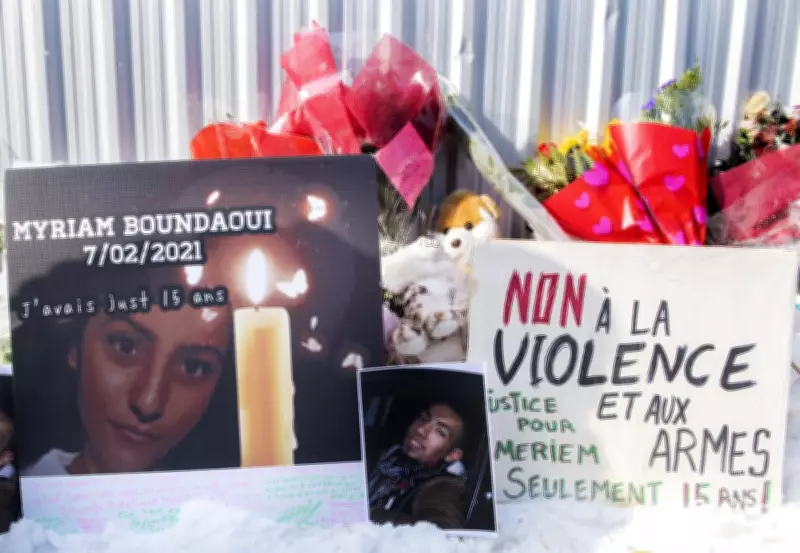
This case resonates deeply within Montreal, where gun violence has sparked public outcry and led to vigils and protests. For instance, a makeshift memorial was erected during a vigil for Meriem Boundaoui, another victim of gun violence in 2021, illustrating the ongoing trauma and community response to such incidents. Residents and advocacy groups have called for stronger measures to address firearm-related crimes, citing safety and justice as paramount concerns.
Statistics show that urban areas like Montreal face challenges with illegal firearms and youth involvement in violent acts, prompting discussions on prevention and law enforcement strategies. The emotional toll on families and neighborhoods affected by shootings adds urgency to these debates, as communities seek solutions to curb violence and support victims.
Legal Implications and Broader Impact
The outcome of this trial could set precedents for how similar cases are handled in Quebec's justice system, particularly regarding intent and accountability in shootings. Legal experts note that proving or disproving intent is often a central issue in homicide trials, affecting charges from manslaughter to murder. This case may also influence public perception of the legal system's effectiveness in addressing gun violence, especially among youth.
As the trial progresses, it highlights the intersection of criminal law, public safety, and social issues in Montreal. The defense's claim of no intent to kill adds a layer of complexity to the narrative, inviting scrutiny on how justice is served in cases involving young victims and alleged perpetrators.