Minnesota Residents Decry 'Slaughter in the Streets' Following Federal Agent Shooting
In the frigid winter air of Minneapolis, a makeshift memorial has emerged on a street corner, marking the spot where Alex Pretti, an intensive care nurse, was shot dead by federal border agents. This solemn gathering lies just blocks from another shrine commemorating Renee Good, who was killed earlier in January, creating twin sites of grief that have galvanized community outrage.
A Community in Mourning
Stephen McLaughlin, a 68-year-old retired Minnesotan, stood among mourners, his voice barely rising above the bitter wind as he described the situation as "slaughter in the streets." Around him, candles flickered in the freezing breeze, flowers stood frozen at their stems, and handwritten notes praised Pretti's character. Mourners said the nurse died as he lived—caring for others—having been shot while attempting to help a woman who had been shoved to the ground.
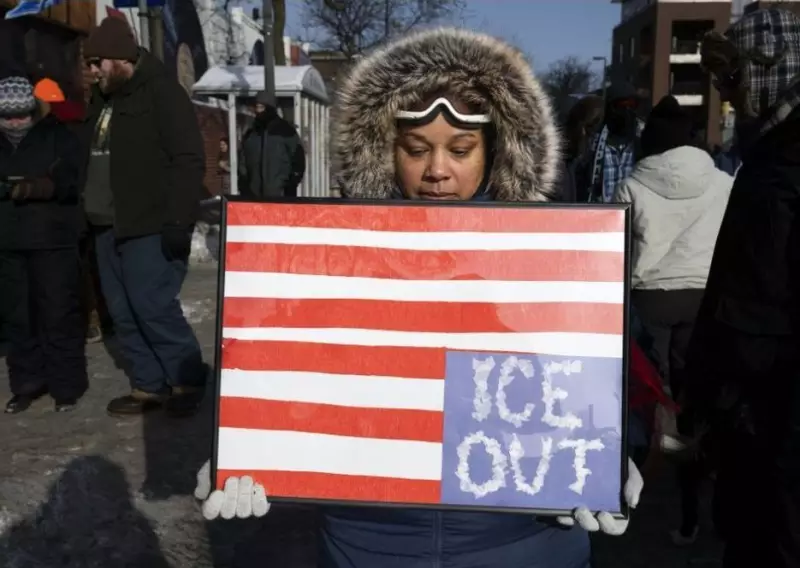
The memorial has transformed sidewalk snow, packed hard by visitors' boots, into a communal space for grieving and gathering. Despite wind chills plunging temperatures to minus 22 degrees Celsius, a steady stream of well-wishers continued to arrive throughout Monday, leaving photographs, candles, and tributes. Some paused briefly in silent reflection, while others lingered, fighting back tears for a man they had never met.

Escalating Tensions in Minneapolis
Anger has been simmering in Minnesota's largest city for weeks, sparked initially by Good's death on January 7th and deepening when Pretti became the second U.S. citizen killed during what community members describe as President Donald Trump's immigration crackdown. Police officers stood nearby as mourners gathered, creating a tense atmosphere that reflects broader concerns about safety and government overreach.
McLaughlin expressed profound dismay at what he called "frighteningly despicable" government behavior, referencing what he described as baseless statements smearing Pretti's character after the shooting. "Corruption is now the rule—you cannot trust the government," he told observers, emphasizing that "this needs to stop and we need to stop it now."
Beyond Grief: A Gathering Point for Concern
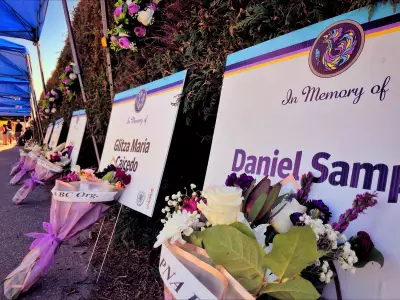
The memorial has evolved beyond a simple marker of loss, becoming a focal point for a community grappling with fear and a sense that fundamental protections are eroding. Placards among the tributes carried messages like "Thank you for your compassion and love towards everyone you cared for," highlighting how Pretti's professional dedication as a healthcare worker has become symbolic of broader community values.
For many Minneapolis residents, what had already seemed intolerable now feels unrecognizable. The proximity of the two memorials—separated by just a few blocks—visually reinforces patterns of violence that have left residents feeling increasingly vulnerable. As hands gloved and faces wrapped in scarves brave the cold to pay respects, the gathering represents not just mourning but collective anxiety about what community members describe as a head-on collision with federal enforcement approaches.
The emotional weight of these events extends beyond immediate grief, touching on deeper concerns about government accountability, immigration enforcement methods, and the preservation of community safety in urban environments. As Minneapolis continues to reckon with these losses, the makeshift memorials stand as temporary but powerful testaments to lives cut short and a community's determination to honor them while demanding change.