Minneapolis Erupts in Protest Following Second Fatal ICE Shooting, Veterans Decry "Untrained Thugs"
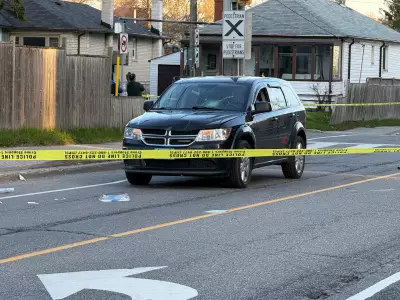
As tensions reach a boiling point in Minneapolis following a second fatal shooting of a civilian by federal immigration agents, protesters and community members are demanding that U.S. Immigration and Customs Enforcement (ICE) leave the Twin Cities area or significantly scale back its operations. The latest incident occurred on Saturday, January 24, 2026, when Alex Pretti, an ICU nurse at a VA hospital, was shot at least ten times by ICE agents. Federal authorities have claimed the shooting was an act of self-defense, stating Pretti was legally carrying a firearm. However, multiple videos from the encounter appear to contradict this narrative, showing Pretti stepping in to assist a woman agents had shoved to the ground before an agent removed his holstered weapon and opened fire.
Critics Point to Lowered Training Standards and Aggressive Mandates
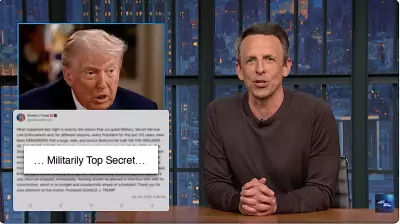
Critics argue that aggressive ICE tactics in Minnesota and across the nation are a direct result of lowered standards in agent training and official pressure to maximize arrests. In October, as ICE intensified immigration raids in Chicago, Stephen Miller—widely regarded as the architect of former President Trump's mass deportation efforts—addressed ICE agents directly on Fox News. "You have federal immunity in the conduct of your duties. And anybody who lays a hand on you or tries to stop or obstruct you is committing a felony," Miller stated. The Department of Homeland Security reshared this interview on social media platform X just one week after ICE agents shot and killed Renee Good in Minneapolis earlier in January. Under mounting public pressure, the Department of Homeland Security announced Wednesday that the federal agents involved in the shootings of Pretti and Good have been placed on administrative leave.
Not all ICE officers support the current operational climate. Several months ago, The Atlantic spoke with anonymous officers who expressed varying degrees of support for post-Biden immigration policies. While some welcomed what they described as newfound free rein, others reported feeling morally conflicted and burnt out, noting a shift from fearing wrongful arrests to fearing insufficient aggression.

Retired Military Leaders and Former Officers Voice Strong Condemnation
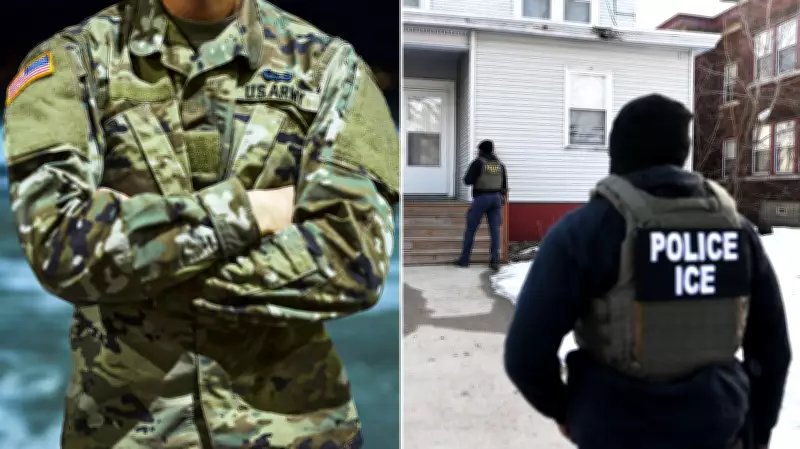
An increasing number of former ICE officers and retired military generals are speaking out against the agency's methods. A critical op-ed in The Bulwark by retired U.S. General Mark Hertling was headlined "ICE Is Playing Soldier, But Without the Discipline." HuffPost recently interviewed six former military veterans to gauge their perspectives on ICE's use of force and de-escalation tactics. Their opinions varied, with some expressing support out of allegiance to law enforcement, but most expressed outrage at the conduct permitted by senior officials like Department of Homeland Security Secretary Kristi Noem and "border czar" Tom Homan.
Bree Fram, a retired U.S. military colonel and congressional candidate, stated: "ICE is giving orders like who they are, a cacophony of untrained thugs. With Alex Pretti, when seven people are all yelling at you, often with conflicting instructions, there's no way to comply with all of them... None of what the ICE agents did in the encounters with Renee Good or Pretti was justified. A single, calm voice was all it would have taken to de-escalate." Fram emphasized that such conduct would warrant investigations and charges on a battlefield, questioning the justification for treating American citizens more harshly than enemy combatants.
Alex Montes, a former mortarman in the Marine Corps, offered a nuanced view: "I disagree with how ICE is currently operating in Minneapolis, not because I oppose immigration enforcement itself, but because the approach appears overly aggressive and counterproductive. From a military standpoint, an operation conducted in this manner would likely be considered unacceptable." Montes noted that while some agents act professionally, less experienced personnel seem ill-prepared for emotionally charged civilian interactions, creating a "recipe for disaster." He also highlighted civilian responsibility, warning that physical interference during protests dangerously escalates situations.

James Martin, a Coast Guard veteran with extensive law enforcement experience, was unequivocal: "As a U.S. Coast Guard veteran who carried out federal law enforcement operations, I can tell you from firsthand experience: This is not how professional law enforcement officers conduct themselves. We need accountability for these murders and for the reckless cowboy tactics ICE is using nationwide." Martin reported that serving Coastguardsmen have privately expressed concerns about irresponsible firearm handling in the Pretti case, with video evidence suggesting discharges could have harmed their own colleagues.
Divergent Perspectives Highlight Complex Debate
Not all veterans criticized ICE's actions. Kevin Steele, a former Marine, stated: "I feel that ICE is handling civilian encounters overall kind of well. They are law enforcement, so for me personally, I would rather work with law enforcement than against... My friends who served all feel the same way that I feel: You're given a task, you go out, you accomplish the mission." Steele questioned why Pretti and Good were present at the scenes, suggesting their absence would have prevented tragedy.
In stark contrast, Patrick Loller, a retired National Guard combat medic, delivered a scathing assessment: "I believe that the way ICE or Border Patrol or whatever these masked thugs are calling themselves are a disgrace to every uniform any of them have ever worn... I have never seen such a disgusting execution outside of the Taliban cutting off Americans' heads." Loller detailed standard military rules of engagement, emphasizing that ICE's actions violated every protocol. He criticized the shifting narratives from authorities and asserted that soldiers would face court-martial for similar conduct.
Ashanti, a former United States Marine Corps captain, concluded: "I strongly disagree with how ICE is operating in Minneapolis... Conduct like this within my branch of service would warrant a full investigation and, ultimately, an indictment." Ashanti argued that the agents failed to understand local customs and culture, and that the shootings of Good and Pretti were unnecessary. The former captain suggested these tragedies might finally awaken the public to the abuse of power possible under the current administration, noting that even law-abiding citizens exercising Second Amendment rights are not immune.
The situation in Minneapolis remains volatile, with tear gas filling streets and protesters facing off against federal agents. The calls for ICE to leave the Twin Cities grow louder, fueled by grief, anger, and a profound critique from those with military and law enforcement expertise who say the agency's current tactics betray American values and professional standards.