Accused Man Denies Being 'A Killer' in Taya Sinclair Murder Case
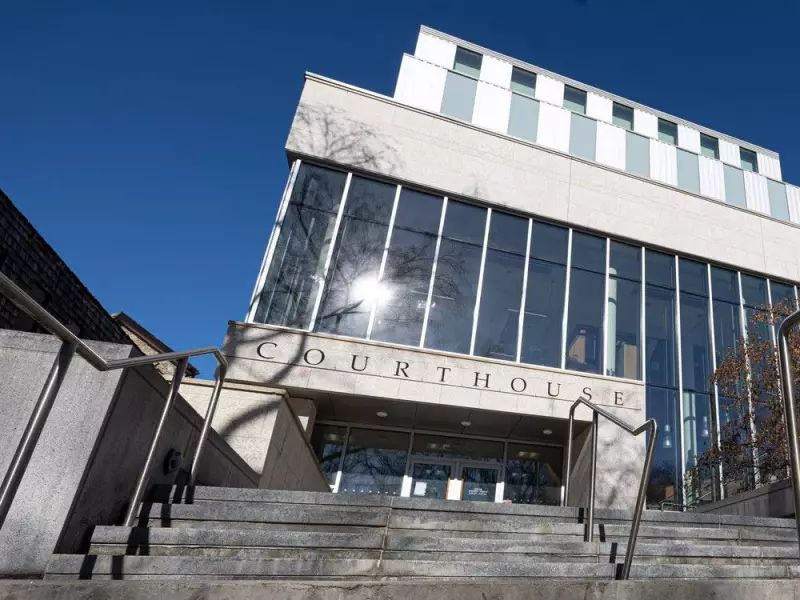
In a dramatic development at the Saskatoon King's Bench Court, a police interview lasting over three hours was presented during the first-degree murder trial of Michael Smillie. The accused repeatedly denied any involvement in the death of 24-year-old Taya Rae Ann Sinclair during the July 2023 interrogation conducted by Saskatoon Police Service Sergeant Robert Sampson.
Details of the Police Interview
The video recording, played exclusively for the judge in the judge-alone trial on Wednesday, captured Smillie's persistent denials. "I've never hurt anyone," he stated emphatically during the questioning session. This interview occurred after Smillie's arrest and charging in connection with Sinclair's death.
Smillie faces first-degree murder charges for allegedly killing Sinclair in March 2022. The young woman was reported missing in Saskatoon on March 14, with her badly burned body discovered the following day at a snow dump facility in Prince Albert.

Complex Web of Relationships and Events
Testimony throughout the trial has revealed a complicated network of relationships and events surrounding Sinclair's death. The court previously heard that Sinclair and Kenneth Bell—identified by Sinclair's family as her boyfriend—were confined at an apartment located at 219 Avenue K South. This residence belonged to Chelsey Wilma Crowe, who was originally Smillie's co-accused before pleading guilty to charges of unlawful confinement and assault for attacking both Sinclair and Bell.
According to evidence presented, Sinclair was eventually transported from the apartment to a home at 1227 Avenue C North, which was owned by Smillie. During his police interview, Smillie claimed he was approached by individuals who wanted to bring Bell to his house, suggesting Bell owed Crowe a drug debt. Smillie maintained he didn't understand why he was approached in this matter.
Conflicting Testimonies Emerge
Stephanie Halkett-Stevenson, currently serving an 18-year sentence for her role in Sinclair's death, provided testimony about bringing Sinclair to Smillie's residence. She described how Sinclair was zip-tied to a support post in the basement, with Smillie allegedly striking her in the face. Halkett-Stevenson testified that she left the Avenue C North house but was later instructed to return, where she discovered Sinclair deceased and Smillie in a state of distress, telling her to "clean up" the situation.
In stark contrast, Smillie denied these accounts during his police interview. He claimed he never descended to the basement while Sinclair was alive, though he admitted to telling Halkett-Stevenson to clean up after going downstairs and finding the victim slumped over a chair without movement.
Gang Connections Revealed
Further complicating the case, testimony from Jessica Caisse—who lived at the Avenue C North home with Smillie—revealed alleged gang connections. Caisse identified Smillie as a "higher up" in the Terror Squad street gang and confirmed that she, Halkett-Stevenson, and Smillie were all gang members at the time of Sinclair's death. Caisse also mentioned that Smillie has children with her sister.
During the police interview, Smillie was shown video footage of Caisse's statement in which she claimed he entered the basement where Sinclair was being held after Halkett-Stevenson departed. Smillie firmly denied this version of events.
Trial Progress and Next Steps
The Crown prosecution is scheduled to call its final witness next week as the trial continues to unfold. The case has drawn significant attention in Saskatoon's legal community, with multiple witnesses providing sometimes conflicting accounts of the events leading to Sinclair's death.
As the proceedings advance toward their conclusion, the court must weigh the substantial evidence presented, including the lengthy police interview where Smillie consistently maintained his innocence despite detailed allegations from multiple sources involved in the case.