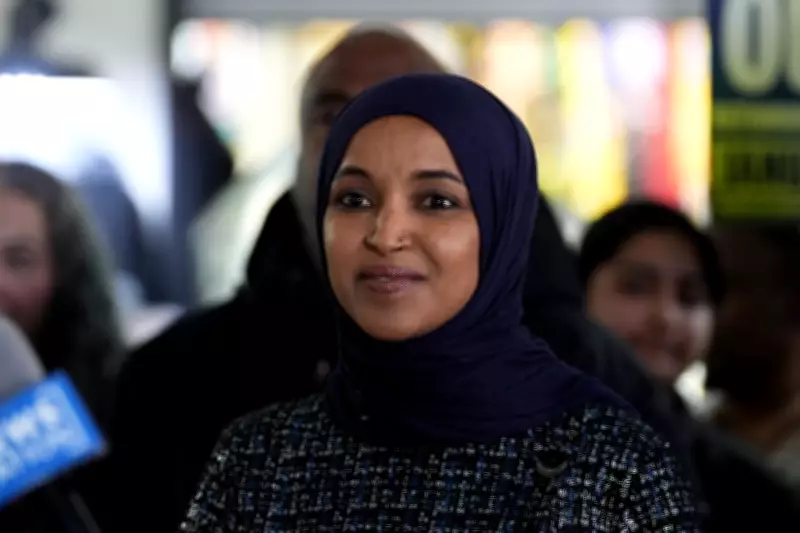
U.S. Justice Department Files Charges in Vinegar Assault on Congresswoman Ilhan Omar
The United States Department of Justice has initiated legal proceedings against a man accused of directing a stream of vinegar at Representative Ilhan Omar, a Democratic congresswoman from Minnesota. This incident, which occurred during a public engagement, underscores the persistent threats faced by political figures in the current climate.
Details of the Alleged Assault and Legal Response
According to official documents, the suspect allegedly approached Rep. Omar and discharged vinegar from a container towards her. The act, described as a deliberate assault, prompted an immediate investigation by federal authorities. The Justice Department has now filed charges, which could include counts related to assault on a federal official, depending on the specific statutes invoked. This legal action reflects a stringent stance against acts of intimidation or violence targeting members of Congress.
Rep. Omar, who has been a prominent and sometimes controversial figure in U.S. politics, addressed the incident publicly, expressing distress over the violation of her personal safety. "It broke my heart," she stated, emphasizing the emotional and psychological impact of such encounters. Her remarks highlight the broader challenges that public servants, particularly those from marginalized communities, may face in performing their duties without fear.

Broader Context of Political Security and Public Discourse
This case occurs against a backdrop of heightened political tensions and increased reports of harassment against elected officials across North America. Security experts note that while physical attacks remain relatively rare, verbal threats and minor assaults have become more frequent, necessitating enhanced protective measures. The charging of the individual in this vinegar incident serves as a deterrent and reaffirms the legal consequences for such behavior.
Furthermore, the event has sparked discussions about the safety protocols at public gatherings and the responsibility of event organizers to ensure a secure environment. It also raises questions about the role of inflammatory rhetoric in politics and its potential to incite real-world actions against politicians.
As the judicial process unfolds, this case will be closely monitored for its implications on how similar incidents are handled in the future. It underscores the ongoing need for balanced security measures that protect democratic participation while upholding the rule of law.