Toronto Lawyer's Suspension Upheld After AI-Generated Arguments in Mortgage Fraud Case
A Toronto lawyer connected to a mortgage fraud scheme that culminated in a tragic double murder-suicide has been unsuccessful in his attempt to have his professional license suspension revoked. The Law Society Tribunal recently rejected Shahryar Mazaheri's request, citing his use of artificial intelligence to present what they described as "totally incoherent" arguments in his defense.
Fraudulent Mortgage Scheme Details
Mazaheri represented real estate broker Samira Yousefi, who in 2022 assisted Alisa Pogorelovsky and her husband, Alan Kats, in borrowing $1,375,000. The couple believed they were investing in syndicated mortgages, but according to tribunal documents, Mazaheri and another lawyer, Fred Yack, were "alleged to have acted with at least constructive knowledge of the fraud."
The tribunal revealed that Yousefi had recommended Pogorelovsky invest $850,000 in a syndicated first mortgage loan and $400,000 in a private first mortgage loan. This money was deposited into Mazaheri's trust account, but the transactions ultimately proved to be fraudulent.

How the Fraud Unfolded
Instead of legitimate investments, the funds were diverted to Arash Missaghi, a known fraudster who controlled two companies. Missaghi used the money to acquire outstanding mortgage interests in a property owned by another company under his control. Pogorelovsky and Kats never received the expected returns on their investments.
The situation reached a devastating climax in June 2024 when Kats discovered he had been defrauded. In response, he killed Missaghi and Yousefi before taking his own life. Kats, 46, left a handwritten note blaming his death on the two individuals he killed and the two lawyers who facilitated the transactions.
Legal Proceedings and AI Controversy
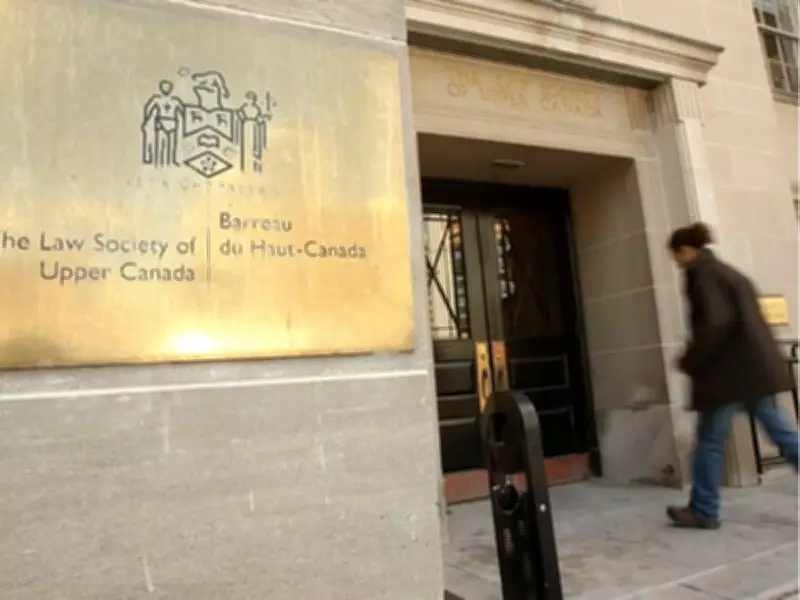
In November 2024, the Law Society Tribunal suspended Mazaheri's license on an interlocutory basis, noting that his "integrity has been materially impugned" and that restrictions on his license would not sufficiently mitigate the risk of harm to the public. The tribunal determined there were reasonable grounds to believe Mazaheri would not honor his professional obligations to avoid assisting in fraud and to use his trust account properly.
In a February 12 decision, the tribunal denied Mazaheri's request to cancel or vary his suspension. The panel indicated that none of the arguments he advanced "would likely result in a different order if that information had been available to the panel that issued the interlocutory suspension of his licence."
Notably, the tribunal highlighted that Mazaheri employed artificial intelligence to formulate his legal arguments, which they characterized as "totally incoherent." This unusual approach to his defense further complicated his case before the regulatory body.
Mazaheri's Defense Position
Mazaheri did not deny that a fraud had occurred but maintained that he had no knowledge of and no part in it. His position was that he always acted on the instructions of his then-client, Yousefi. Despite this defense, the tribunal found his involvement in the transactions concerning enough to uphold the suspension.
The case represents a significant intersection of legal ethics, mortgage fraud, and the emerging use of artificial intelligence in legal proceedings. The tribunal's decision underscores the serious consequences lawyers face when their professional conduct is called into question, particularly in cases involving substantial financial fraud with tragic real-world consequences.