Lawyer's Opinion on Aboriginal Title Case Raises Concerns for B.C. Landowners
British Columbians continue to grapple with the implications of the Cowichan Tribes' Aboriginal title decision from last August, with recent comments from the winning side's legal counsel adding fuel to the ongoing debate about private property rights.
Controversial Comments Following Landmark Decision
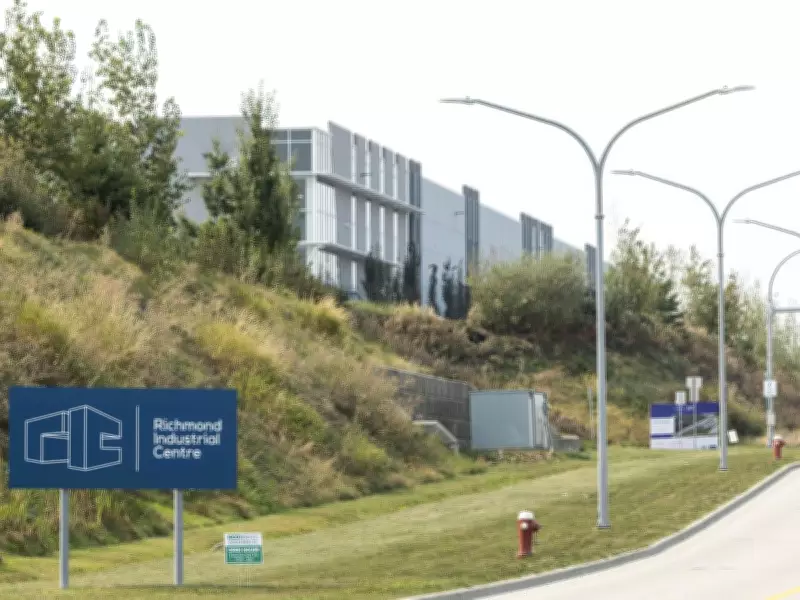
Just four days after the B.C. Supreme Court designated approximately 150 private properties in Richmond as Aboriginal title for the Cowichan Tribes, lead counsel David Rosenberg made statements that have since become central to landowners' concerns. Rosenberg, representing the Cowichan Nation, told CKNW host Jas Johal that he didn't believe private property holders' interests would be directly affected by the court's finding.
"I fully anticipate that the seller or vendor will get what they are bargaining for, and the purchaser would also get what they are bargaining for," Rosenberg stated during the interview. However, he added a significant qualification that has since raised eyebrows among property owners and legal observers alike.

The Critical Caveat
Rosenberg clarified that any property transaction within the designated area would require "the consent of the Cowichan Nation and some accommodation from the Crown to the Cowichan Nation." This means both buyers and sellers would need approval from the First Nation before proceeding, and the government would likely need to provide compensation equivalent to the property's market value.
These conditions appear to contradict Rosenberg's initial assertion that private property holders wouldn't be affected. The apparent discrepancy has created confusion and concern among landowners who now face uncertainty about their property rights and future transactions.
Landowner Response and Legal Proceedings
Montrose Properties, which owns approximately 1.2 square kilometers of land within the designated Aboriginal title area, has taken particular interest in Rosenberg's comments. The company included the lawyer's statements in its legal submissions as part of an effort to reopen the Cowichan case.
Montrose argues it was excluded from the original proceedings and wasn't properly advised that its interests were at stake. The company's application to reopen the case is currently being heard by B.C. Supreme Court Justice Barbara Young, who presided over the five-year trial and authored the 900-page decision recognizing Aboriginal title in favor of the Cowichan Tribes.
Court's Position on the Controversy
Despite the attention Rosenberg's comments have received, Justice Young has indicated that the lawyer's opinion was not an issue before her court. The Cowichan Nation is resisting Montrose's effort to reopen the case, with Rosenberg himself recently requesting the court order disclosure of numerous documents related to regulatory proceedings involving the company.
The situation highlights the complex interplay between Aboriginal title rights and private property interests in British Columbia. While Rosenberg framed his comments as personal opinion, they carry significant weight coming from the lead counsel in a landmark case that has reshaped property law in the province.
Broader Implications for Property Owners
The controversy surrounding Rosenberg's statements underscores the ongoing uncertainty facing private property owners in areas subject to Aboriginal title claims. The requirement for First Nation consent and Crown accommodation introduces new layers of complexity to property transactions that previously operated under conventional real estate practices.
As the legal proceedings continue, approximately 150 property owners in Richmond await clarity on how the Cowichan decision will affect their rights and property values. The case represents a significant test of how Aboriginal title recognition intersects with existing private property frameworks in British Columbia.