Defendant in Jan. 6 Pipe Bomb Case Invokes Trump's Mass Pardons as Legal Shield
A man facing federal charges for allegedly planting pipe bombs in Washington, D.C., ahead of the January 6, 2021, Capitol riot is mounting an unprecedented legal defense. Brian J. Cole Jr. is arguing that former President Donald Trump's series of mass pardons, issued during his final days in office, should apply to his case and lead to the dismissal of all charges against him.
Unprecedented Legal Argument Emerges in High-Profile Case
Court documents reveal that Cole's defense team is contending that the broad pardons granted by Trump in late 2020 and early 2021 encompass the actions for which he is now being prosecuted. This argument represents a novel interpretation of presidential pardon powers and could set a significant legal precedent if successful. The Justice Department has vigorously opposed this claim, maintaining that Cole's alleged conduct falls outside the scope of any pardon previously issued.
The prosecution alleges that Cole planted two pipe bombs near the headquarters of the Democratic and Republican National Committees on the evening of January 5, 2021. These devices were discovered and safely disabled before they could cause harm, but authorities describe them as functional and dangerous. Cole was arrested in December 2025 after an extensive FBI investigation and has pleaded not guilty to multiple charges including possession of an unregistered firearm and making a destructive device.

Examining the Scope and Limits of Presidential Pardon Authority
Legal experts are closely watching this case as it tests the boundaries of executive clemency. Trump's pardons, particularly those granted in the waning hours of his presidency, were notably broad in some instances, covering individuals convicted of or charged with various federal offenses. However, whether they can be interpreted to include future prosecutions for specific acts like those alleged against Cole remains an open and contentious question.
"This defense pushes pardon jurisprudence into uncharted territory," observed a constitutional law professor not involved in the case. "While presidents have wide latitude in granting pardons, courts have traditionally required some specificity regarding the offenses being forgiven. Arguing that a general pardon covers a subsequently discovered crime presents unique challenges."
The timing of Cole's alleged actions—just one day before the Capitol breach—adds another layer of complexity. Prosecutors argue that even if some pardons related to January 6 activities, they would not extend to preparatory acts like bomb-planting that occurred beforehand and constituted separate federal crimes.
Broader Implications for January 6 Prosecutions
This legal maneuver comes amid ongoing prosecutions of hundreds of individuals involved in the Capitol attack. While most defendants have focused on more conventional defenses, Cole's approach could inspire similar arguments if it gains any traction in court. The outcome may influence how courts interpret the reach of presidential pardons, especially those issued without explicit reference to particular individuals or crimes.
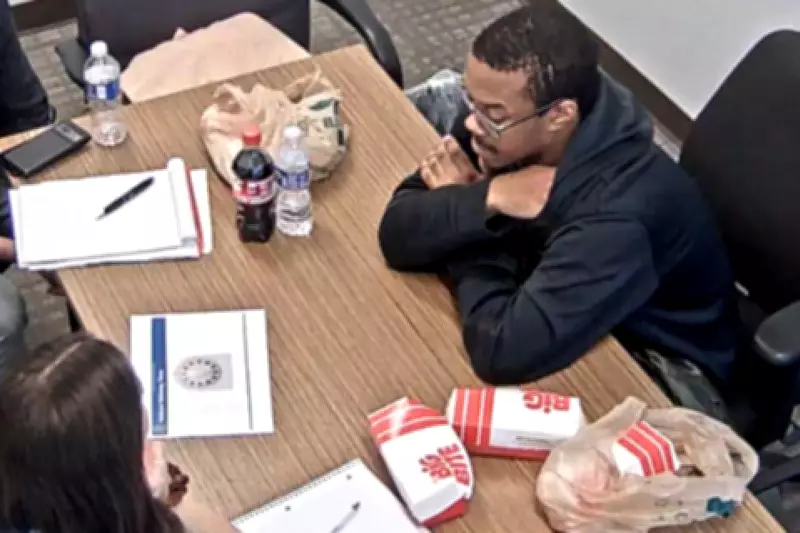
Court filings show that Cole was interrogated by FBI investigators in Woodbridge, Virginia, in December 2025. The evidence against him includes surveillance footage, forensic analysis, and statements he allegedly made during questioning. His trial is scheduled for later this year, where the pardon argument is expected to be a central point of contention.
As this case progresses, it highlights enduring legal and political questions surrounding the events of January 6 and the powers of the presidency. The resolution will not only determine Cole's fate but could also reshape understanding of executive clemency in the United States for years to come.