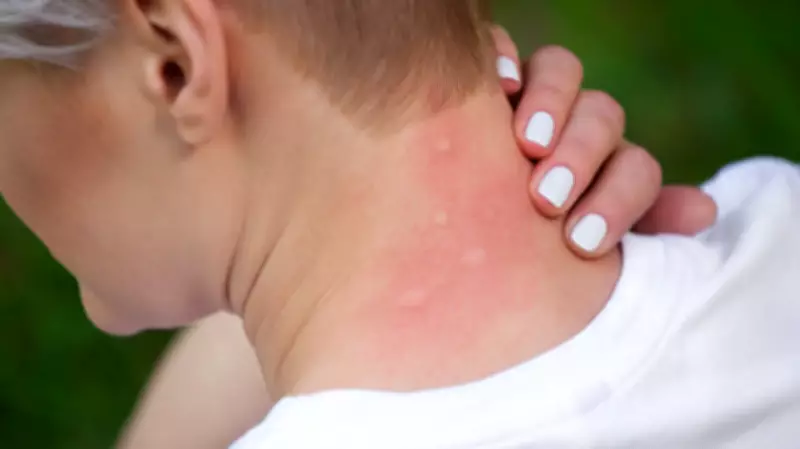
If you have ever attended an outdoor party or barbecue as daylight fades and not personally noticed an increase in mosquitoes, you will likely hear someone complaining about it. This is because mosquitoes are selective insects, and some individuals are more prone to bites than others. Several factors contribute to this phenomenon.
Blood Type and Genetic Factors
In a controlled study published in the Journal of Medical Entomology, mosquitoes landed on people with blood type O nearly twice as often as those with type A. Researchers attribute this to secretions produced by the body that signal blood type to mosquitoes. Jonathan F. Day, an entomology professor at the University of Florida, notes that more research is needed, but agrees that mosquitoes pick up on cues that make certain people more attractive targets.
Carbon Dioxide and Metabolic Rate
“Perhaps CO2 is the most important cue,” Day says. People with higher metabolic rates—due to genetics or other factors—produce more carbon dioxide, making them more attractive to mosquitoes. However, mosquitoes distinguish humans from non-living CO2 sources like cars by seeking secondary cues.

Lactic Acid and Skin Secretions
Lactic acid, released through the skin during exercise, is a key secondary cue. It signals to mosquitoes that a person is a target, Day explains.
Visual and Tactile Cues
Mosquitoes have excellent vision but fly close to the ground to avoid wind. “They contrast you with the horizon, so dark clothing attracts more because you stand out,” Day says. Light colors are less attractive. Once landed, mosquitoes use tactile cues like body heat. “People who run warmer are more likely to get bitten,” he adds.
Lifestyle and Health Factors
Melissa Piliang, a dermatologist at Cleveland Clinic, points out that higher body temperature from exercise or alcohol consumption increases attractiveness. Pregnancy and being overweight also raise metabolic rate. A study found that consuming just one can of beer increases mosquito attraction. “If you’ve been doing yardwork all day and then drink a beer at dusk, you’re definitely at risk,” Piliang says.
How to Prevent Mosquito Bites
Prevention is key. “Avoid peak activity times at sunrise and sunset,” Day advises. Switching an early morning run to an after-work run can help. For evening events, cover skin with breathable long sleeves and pants. Use repellents with 5% DEET for about 90 minutes of protection. Despite controversy, the EPA confirms normal DEET use is safe for all, including children and pregnant women. Apply according to CDC guidelines, and wash off later.
Citronella candles lack research support. Instead, use a fan to create wind, as mosquitoes struggle in breezy conditions.
Treating Bites
If bitten, avoid scratching to prevent histamine release, bleeding, and infection. Apply an ice cube; cold sensation overrides itch. Over-the-counter anti-itch creams with hydrocortisone can be used two to three times daily. For multiple bites, antihistamines like Benadryl (drowsy) or Zyrtec (non-drowsy) provide relief.
Prevention remains the best strategy. Implement these tips for outdoor activities to minimize mosquito encounters.