Kingsville Scraps Forensic 'Body Farm' Plan Following Public Outcry
The town of Kingsville has officially abandoned its controversial proposal to establish a forensic research facility, commonly referred to as a "body farm," after facing substantial public opposition. This decision represents a significant setback for the advancement of forensic science in Canada, where such facilities are rare and highly specialized.
Public Opposition Forces Reversal
The proposed facility, which would have been used for studying human decomposition in various environmental conditions, was met with widespread concern from local residents. Community members expressed discomfort with the idea of a body farm in their vicinity, citing ethical, environmental, and emotional reasons. The opposition was vocal and organized, leading town officials to reconsider the project's viability.
Forensic research of this nature is crucial for law enforcement and scientific understanding, but the public's apprehensions ultimately outweighed the potential benefits. The town council, after reviewing feedback from numerous public consultations and petitions, decided to halt all plans for the facility.

Impact on Forensic Science in Canada
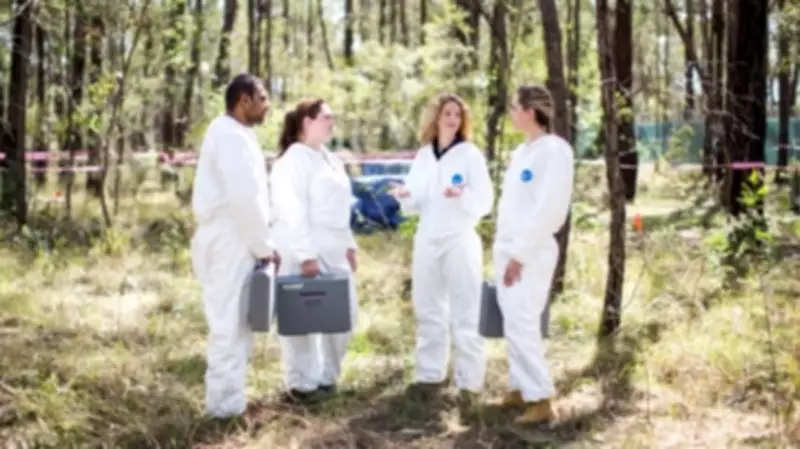
Canada currently has only one operational body farm, located in Quebec and directed by renowned forensic scientist Shari Forbes. The Kingsville facility would have been the second in the country, providing valuable data for criminal investigations, disaster victim identification, and academic research. Its cancellation highlights the challenges of balancing scientific progress with community sensibilities.
The loss of this proposed facility means missed opportunities for training forensic experts and improving investigative techniques, which could have national implications for justice and public safety. Researchers emphasize that such facilities are essential for developing accurate methods to estimate time since death, a critical factor in many criminal cases.
Broader Context and Future Considerations
This incident underscores the importance of transparent communication and community engagement when proposing sensitive scientific projects. While the need for forensic research is undeniable, the Kingsville case demonstrates that public acceptance is a key factor in the success of such initiatives.
Moving forward, proponents of forensic science may need to explore alternative locations or enhanced outreach strategies to address public concerns. The decision in Kingsville serves as a reminder that scientific advancement must often navigate complex social landscapes, where ethical considerations and community values play a pivotal role in shaping outcomes.