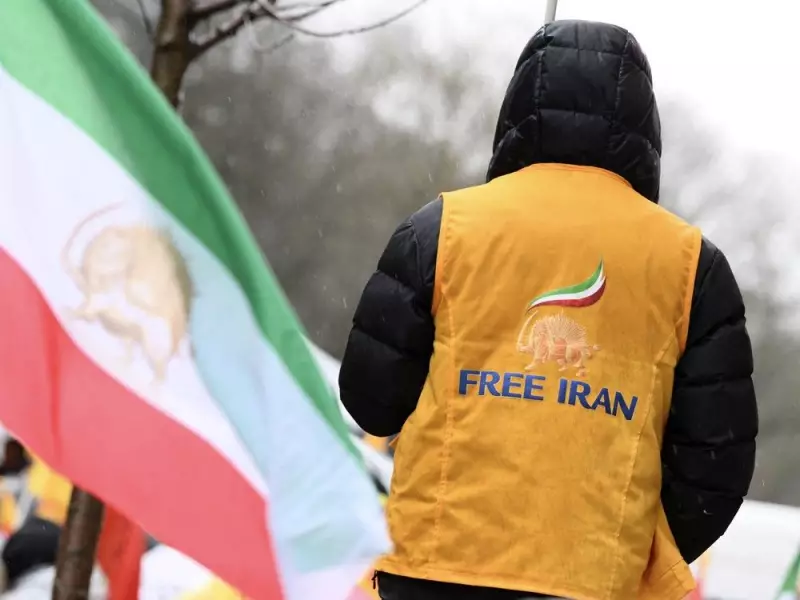
Iranian authorities have dramatically intensified their suppression of nationwide protests, issuing stark warnings that participants could face the death penalty while imposing a sweeping internet blackout. The crackdown comes amid expectations of further unrest and represents the most serious challenge to the country's theocratic leadership in years.
Leadership Issues Stern Warnings
Supreme Leader Ayatollah Ali Khamenei declared that the Islamic Republic will not tolerate acts of "vandalism" or "people acting as mercenaries for foreign powers," according to a report by the state-run Press TV. This rhetoric sets a hardline tone from the nation's highest authority, who is 86 years old.
Following Khamenei's comments, a Tehran prosecutor explicitly warned that rioters who damage public property would be subject to the death penalty. The Islamic Revolutionary Guard Corps (IRGC), the powerful military force tasked with defending the principles of the 1979 revolution, also released a statement. The IRGC asserted that "the continuation of this situation is unacceptable" and reserved the right to retaliate for "terrorist incidents."

Protests Escalate into Major Challenge
The current wave of unrest, which began on December 28, 2025 in Tehran's Grand Bazaar, has escalated into the most significant domestic challenge to Khamenei's rule since the nationwide uprising in 2022. The protests were initially sparked by a dramatic slump in the value of Iran's currency, which hit record lows and exacerbated a severe cost-of-living crisis in the sanctions-hit economy.
Despite President Masoud Pezeshkian acknowledging the legitimacy of some economic grievances and calling for security forces to show restraint, the official response has grown increasingly severe. The death toll has risen, with the US-based Human Rights News Agency reporting 42 fatalities since the unrest began. The UK's BBC stated it had independently confirmed at least 21 of those deaths.
Communication Blackout and Ongoing Unrest
In a move familiar during periods of civil strife, authorities have imposed a nationwide internet shutdown. The monitoring group Netblocks confirmed the blackout had been in place for over 24 hours as of Friday, January 9, 2026. The disruption severely hampered communication, with reports of failed phone calls and heavily restricted SMS messaging.
The Iranian Ministry of Communications defended the action on social media platform X, stating the disruption was necessary and that work to restore connectivity was underway. Such shutdowns are widely seen as an attempt to prevent the sharing of images and videos depicting state violence against civilians and to stifle protest organization.
Despite the digital blockade, evidence of continued demonstrations surfaced. Videos posted on X and Instagram showed large gatherings on major streets in various districts of Tehran overnight. One clip, reportedly from the capital's Karim Khan neighborhood, captured crowds chanting "death to the dictator."
The situation in Iran remains fraught, with the government employing its most severe tactics to quell dissent as economic pressures and public frustration reach a boiling point. The international community watches closely as the standoff between protesters and the state continues to unfold.