Iran Executes Another Protester Amid Escalating Conflict, Rights Groups Condemn
Iran has carried out the execution of another protester, according to reports from international news agencies, signaling a concerning increase in capital punishments during a period of heightened regional conflict. The execution, which occurred recently, adds to a mounting tally of such actions that human rights organizations are vigorously condemning as violations of fundamental freedoms.
Rising Executions in Wartime Context
The latest execution is part of a broader pattern where Iranian authorities have intensified crackdowns on dissent, particularly in the context of ongoing military engagements. Sources indicate that this protester was hanged, a method commonly used in Iran, amid allegations of involvement in anti-government demonstrations. This development underscores the severe measures being employed to suppress opposition voices during times of national crisis.
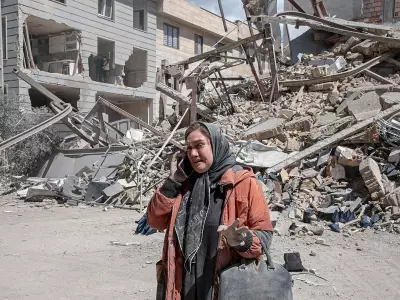
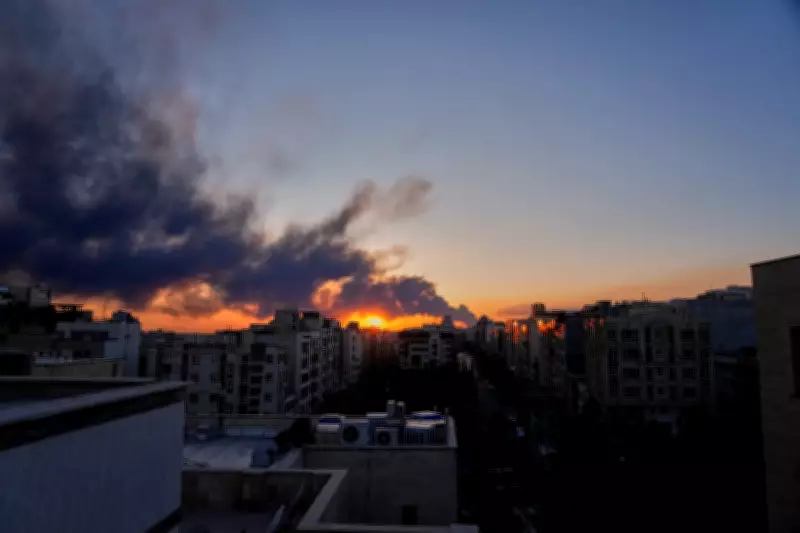
International observers have expressed alarm at the escalating number of executions, noting that they often lack fair trial guarantees. "The use of capital punishment as a tool to quell protest is a grave human rights abuse," stated a representative from a global rights watchdog. The situation is further complicated by the backdrop of conflict, including recent military strikes in Tehran attributed to U.S.–Israeli operations, which have heightened tensions in the region.

Human Rights and Global Response
Human rights groups are calling for immediate international intervention to halt these executions. They argue that the Iranian government is exploiting the wartime atmosphere to justify harsh penalties against civilians, many of whom are merely exercising their right to peaceful assembly. "This is a blatant attempt to instill fear and silence critics," commented an activist familiar with the region.
The execution has sparked renewed debates about Iran's judicial system and its adherence to international norms. Critics point to a lack of transparency in legal proceedings, with defendants often denied access to proper legal representation. This case, like others before it, is seen as part of a systematic effort to deter future protests through extreme measures.
Broader Implications for Regional Stability
Beyond the human rights concerns, the increase in executions could have significant implications for regional stability. As Iran navigates internal dissent and external conflicts, such actions may fuel further unrest and complicate diplomatic efforts. The international community, including organizations like the United Nations, is being urged to pressure Iran to cease these practices and engage in dialogue to address underlying grievances.
In summary, the execution of another protester in Iran highlights a troubling trend of rising capital punishments amid conflict. With human rights groups condemning these actions and calling for global accountability, the situation remains a critical issue for both domestic and international observers. The ongoing conflict only amplifies the urgency for a resolution that respects human dignity and legal standards.