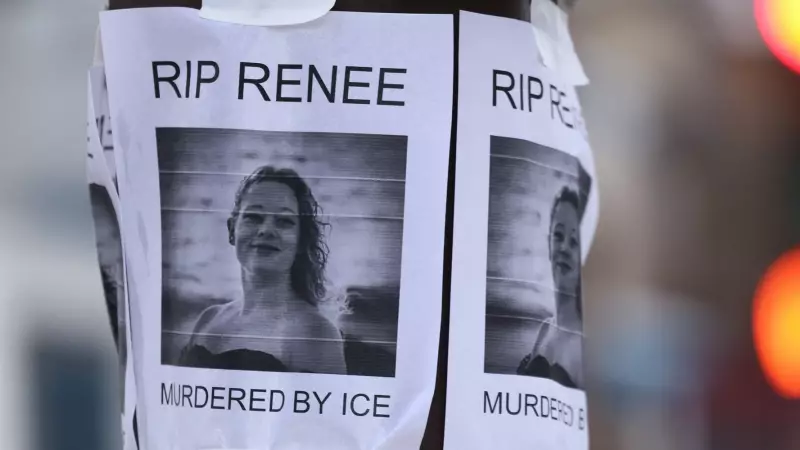
A disturbing video from Minneapolis has sparked widespread public outrage and serious legal questions after it captured U.S. Immigration and Customs Enforcement (ICE) officers preventing a self-identified physician from rendering aid to a 37-year-old woman who had just been shot. The victim, Renee Nicole Good, a mother living with her partner in Minneapolis, was fatally wounded on January 8, 2026.
A Disturbing Denial of Medical Assistance
The video, recorded by bystander Emily Heller and obtained by HuffPost, captures a tense exchange. A man is heard asking officers if he can check the victim's pulse. "No! Back up! Now!" an unidentified officer shouts in response. When the man identifies himself as a physician, the officer retorts, "I don't care." Another armed officer is heard saying, "We have EMS coming... We have our own medics." Heller, the bystander, can be heard yelling, "Where are they?"
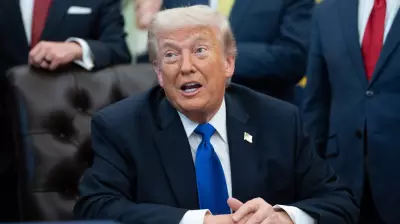
Heller later told HuffPost she estimated it took 15 minutes for emergency responders to arrive. She described how paramedics, unable to drive their vehicle to the scene, approached on foot and had to carry the victim out "by her limbs." The incident occurred shortly after federal officials, including then-President Donald Trump, characterized the shooting as an act of self-defense, claiming the driver of a vehicle had attempted to run over an ICE officer.

Legal Experts Weigh In on Civil Liability
The video's central question—whether officers can lawfully prevent a doctor from helping in an emergency—has drawn sharp analysis from legal scholars. Alexa Van Brunt, a civil rights attorney and clinical professor at Northwestern Pritzker School of Law, called the scene "so disturbing." She emphasized that federal agents "have duties to the people that they harm."
Van Brunt argued that barring a qualified person from providing emergency care while none seemed to be administered by officers themselves appears to be a violation of law and likely ICE standards. "It really seems unlawful... It was really disturbing to watch," she told HuffPost. She suggested verifying the physician's credentials would have been simple, stating, "Emergencies require emergency action."
Brian Marks, an associate professor at the University of New Haven, noted that while law enforcement may secure a crime scene, core questions remain: "Was the injured individual denied medical care... Was there an unreasonable delay or prevention of necessary medical care, a deliberate indifference?" He also pointed to the complex layer of qualified immunity for federal officers, which shields them from liability if their conduct is deemed objectively reasonable.
Policy Failures and Public Backlash
Ayesha Bell Hardaway, a law professor at Case Western Reserve University, highlighted a critical policy failure. She stated that federal agents have an obligation to render aid as required by the U.S. Department of Homeland Security's use of force policy. Many jurisdictions, including Minneapolis, have revised policies to include a duty to render aid immediately after a deadly force incident, reflecting a "commitment to the sanctity of life."
"Had ICE followed their own policy, it obviously would have negated the need for the physician to make the request," Hardaway added. The incident has fueled significant public anger on social media and led to demonstrations, including an anti-ICE protest in Harrisburg, Pennsylvania, on January 8, 2026. Minneapolis officials have also vehemently disputed the Trump administration's characterization of the shooting as self-defense, citing eyewitness videos that show different angles of the event.
While criminal liability is a separate matter, Van Brunt believes the facts establish grounds for a civil liability case. "If this were a case I was litigating, I would seek to hold them liable," she concluded. The Department of Homeland Security did not immediately respond to requests for comment on the incident.