Fresh Legal Analysis Challenges Historic Halifax Execution
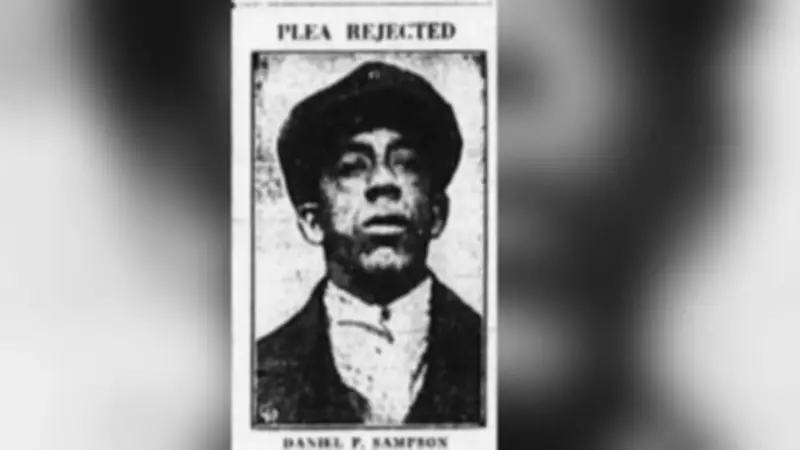
Newly surfaced evidence is casting serious doubt on the guilt of the last man executed in Halifax, according to arguments presented by a lawyer at a recent academic forum. The discussion, held at Dalhousie University's Schulich School of Law on Thursday evening, centered on re-examining this historic capital punishment case that has long been a point of contention in Nova Scotia's legal history.
Revisiting a Controversial Case
The presentation detailed previously overlooked forensic inconsistencies and witness testimony discrepancies that suggest the convicted individual may have been wrongfully sentenced to death. Legal experts at the event emphasized how evolving standards of evidence and modern investigative techniques reveal significant flaws in the original trial proceedings.
"The accumulation of new information creates reasonable doubt that simply didn't exist during the original trial," explained the presenting attorney, who has spent years researching the case. "When you apply contemporary legal standards to evidence that was available at the time, the conviction becomes increasingly questionable."

Historical Context and Modern Implications
This execution represents the final application of capital punishment in Halifax before Canada abolished the death penalty for ordinary crimes in 1976. The case has remained in legal circles' discussions due to persistent questions about procedural fairness and evidentiary reliability.
The Dalhousie forum brought together legal scholars, historians, and justice reform advocates to examine:
- Forensic evidence that may have been misinterpreted or incomplete
- Potential witness reliability issues that weren't fully addressed
- Procedural irregularities in the original trial
- The broader implications for historical justice reviews in Canada
Calls for Official Review
Participants at the law school event discussed potential pathways for formally re-examining the case, including possible applications to the federal justice minister for a posthumous review. While such proceedings are complex for historical cases, advocates argue that establishing truth and correcting historical injustices remains important for Canada's legal system.
"This isn't just about one case from decades ago," noted one attending legal scholar. "It's about how we understand our legal history and ensure our justice system maintains integrity across generations. When new evidence emerges, we have an obligation to re-examine even settled cases."
The discussion at Dalhousie represents growing interest in re-evaluating historical criminal cases as forensic science advances and legal standards evolve. Similar reviews in other provinces have led to posthumous exonerations, setting precedents for how Canada addresses potential wrongful convictions from earlier eras.