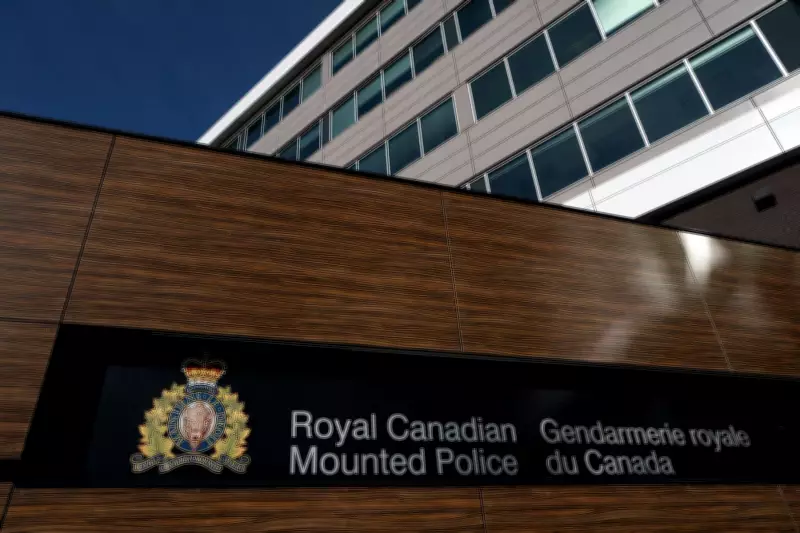
The federal government has initiated a significant legal maneuver by asking a court to overturn a human rights tribunal decision that found the Royal Canadian Mounted Police (RCMP) in violation of human rights standards. This development underscores a contentious clash between judicial oversight of law enforcement practices and governmental efforts to defend institutional frameworks.
Background of the Human Rights Decision
The human rights tribunal ruling, which the government now seeks to quash, stemmed from a case involving allegations of systemic discrimination or misconduct within the RCMP. While specific details of the original decision are not fully disclosed in the source material, such rulings typically address issues like workplace harassment, racial profiling, or gender-based discrimination, reflecting broader societal concerns about police accountability.
Government's Legal Argument
In its court filing, the federal government is expected to argue that the tribunal erred in its interpretation of human rights laws or overstepped its jurisdictional boundaries. Legal experts suggest this could involve claims that the decision was based on insufficient evidence, procedural flaws, or conflicts with existing legislation governing the RCMP's operations.

This move aligns with historical patterns where governments intervene to protect national police forces from legal precedents that might impose stricter regulations or financial liabilities. It also raises questions about the balance between upholding human rights and maintaining law enforcement autonomy.
Implications for RCMP and Public Trust
If successful, the government's challenge could nullify the tribunal's findings, potentially shielding the RCMP from mandated reforms or compensation orders. However, such an outcome might further erode public confidence in the RCMP, which has faced scrutiny over various controversies in recent years, including handling of protests and internal culture issues.
Critics argue that dismissing human rights decisions undermines efforts to address systemic problems within policing, while supporters contend it prevents overreach by quasi-judicial bodies. The case is likely to be closely watched by advocacy groups, legal scholars, and other police agencies across Canada.
Next Steps in the Legal Process
The court will review the government's application, with proceedings possibly involving hearings, evidence submissions, and legal arguments from both sides. A decision could take months, and any ruling may be appealed, prolonging the resolution of the underlying human rights issues.
This legal battle occurs amid a broader national conversation about police reform and accountability, making it a pivotal moment for Canadian justice and governance. The outcome may influence future human rights cases involving law enforcement and set precedents for how such disputes are adjudicated.