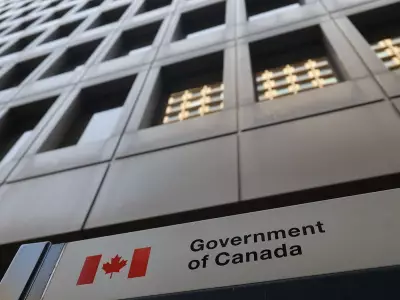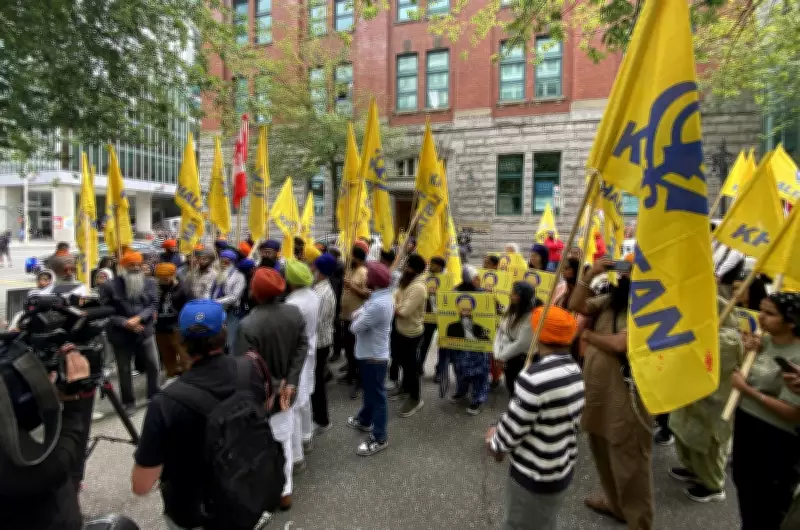
Federal lawyers are actively seeking to shield critical information in the ongoing investigation into the murder of Sikh community leader Hardeep Singh Nijjar, citing stringent national security grounds. This legal maneuver comes as protesters gathered outside the Indian consulate in downtown Vancouver on Wednesday, June 18, 2025, marking the somber two-year anniversary of Nijjar's assassination.
Security Concerns Drive Legal Strategy
The federal legal team argues that disclosing certain details could compromise sensitive security operations and intelligence-gathering methods. This stance has sparked debates about transparency versus protection in high-profile cases involving international implications. The lawyers emphasize that their primary duty is to safeguard national interests, even if it means limiting public access to case specifics.
Community Response and Protests
In Vancouver, the Sikh community and supporters demonstrated peacefully, holding signs and chanting slogans demanding justice for Nijjar. The gathering underscored ongoing frustrations with the pace and opacity of the investigation. Many protesters expressed concerns that security claims might be used to obscure accountability or delay proceedings, calling for a balanced approach that respects both safety and the public's right to know.

Background on the Nijjar Case
Hardeep Singh Nijjar, a prominent Sikh leader, was assassinated under circumstances that have drawn international attention and strained diplomatic relations. His death has been a focal point for discussions on extremism, community safety, and cross-border tensions. The case involves complex layers, including potential foreign involvement, which federal lawyers now cite as justification for their information-shielding efforts.
Legal and Ethical Implications
This development raises significant legal and ethical questions about how security grounds are invoked in criminal investigations. Experts note that while national security is a valid concern, it must not become a blanket excuse to withhold information indefinitely. The balance between confidentiality and transparency is crucial to maintaining public trust in judicial processes, especially in cases with broad societal impact.
As the legal battle unfolds, observers are watching closely to see how courts will rule on the federal lawyers' requests. The outcome could set precedents for handling similar cases in the future, influencing how security and openness are weighed in Canada's justice system. Meanwhile, the Vancouver protests serve as a reminder of the human element behind the legal arguments, with a community still seeking closure and justice two years after a tragic loss.