

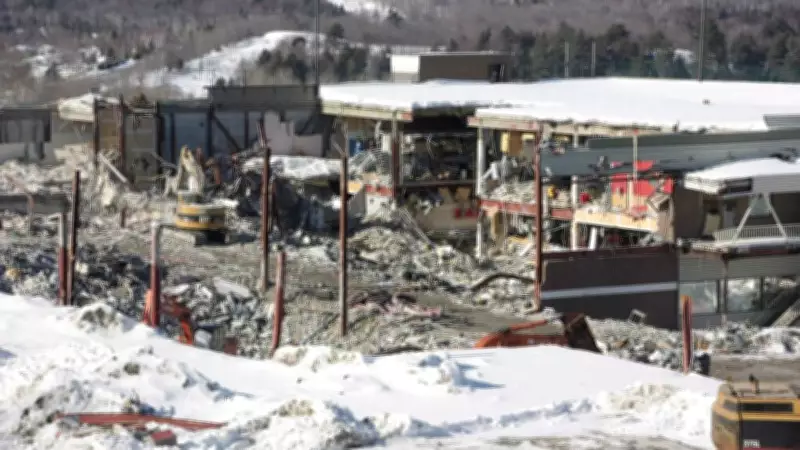
Proposed $10 Million Settlement Reached in Elliot Lake Mall Collapse Lawsuit
Nearly fifteen years after the tragic collapse of the Algo Centre Mall in Elliot Lake, Ontario, a proposed settlement agreement has been announced to resolve the longstanding class action lawsuit. The agreement, valued at $10 million, aims to settle outstanding claims related to the 2012 incident that resulted in the deaths of two women and left a community grappling with loss and legal battles.
Details of the Settlement Agreement
The proposed settlement follows years of litigation and negotiations between the parties involved. The class action lawsuit was filed on behalf of victims, their families, and affected individuals seeking compensation for damages, injuries, and wrongful death. The $10 million figure represents a significant step toward closure, though it requires court approval before being finalized.
Key aspects of the agreement include:

- Compensation for claimants affected by the collapse, including those who suffered physical or emotional harm.
- Funds allocated to cover legal fees and administrative costs associated with the settlement process.
- A structured timeline for disbursing payments once the settlement is approved by the court.
Background on the Algo Centre Mall Collapse
On June 23, 2012, the Algo Centre Mall in Elliot Lake partially collapsed, leading to a devastating rescue operation and widespread shock across Canada. The incident claimed the lives of two women, Lucie Aylwin and Doloris Perizzolo, and injured several others. Investigations later revealed structural deficiencies and maintenance issues, sparking debates over building safety regulations and accountability.
The collapse prompted a public inquiry, which highlighted failures in inspection and oversight, and led to calls for stricter enforcement of construction standards in Ontario. The legal proceedings have been complex, involving multiple defendants, including property owners and management companies, who faced allegations of negligence.
Implications and Next Steps
If approved, the $10 million settlement would mark one of the largest resolutions in a Canadian class action related to a structural failure. It underscores the legal system's role in addressing corporate responsibility and providing redress for victims. However, some community members and advocates argue that no amount of money can fully compensate for the loss of life and trauma endured.
The settlement process will involve:
- Court hearings to review and potentially approve the agreement.
- Notification of class members about their rights to participate or object.
- Distribution of funds to eligible claimants, expected to take several months post-approval.
Legal experts note that such settlements often aim to avoid prolonged trials, which can be emotionally taxing for victims and costly for all parties. The Elliot Lake case has drawn national attention, serving as a cautionary tale for infrastructure safety and the importance of rigorous maintenance protocols.
As the community awaits finalization, the proposed agreement offers a semblance of justice and a path toward healing, though the memories of that fateful day remain etched in the hearts of many.






