Edmonton Readers Challenge Claims That MAID Targets Disabled Individuals
In a series of letters published in the Edmonton Journal, local readers have strongly contested recent opinion pieces that suggested Alberta's medical assistance in dying (MAID) legislation unfairly targets people with disabilities. The responses come amid ongoing debate about the province's approach to end-of-life care and federal regulations.
Defending Patient Autonomy and Medical Ethics
Greg Falkenstein of Edmonton directly addressed claims made by two members of Inclusion Canada in a March 28 opinion column. "The writers championed the repeal of the Track 2 provisions stating that they somehow 'target' people with disabilities," Falkenstein wrote. "'Target?' So doctors and nurses are chasing after disabled people with syringes in hand? Really? I don't think so."
Falkenstein emphasized that MAID operates on a request-based system where patients must actively seek the procedure. "People search out MAID. They request it. Nobody's thrusting it on them," he asserted, adding that disabled individuals retain full autonomy to decline the procedure if suggested by medical practitioners.

Clarifying Track 2 Eligibility Requirements
Another Edmonton resident, Gunther Trageser, challenged what he called "untruths and disinformation" in the same opinion piece. "The statement that Track 2 'applies exclusively to people with disabilities' is false and disingenuous," Trageser wrote.
He explained that MAID Track 2 applies to anyone experiencing unbearable suffering whose medical condition does not lead to a foreseeable natural death. "MAID is available to disabled people only if they request it for a medical condition, not their disability," Trageser clarified. "They have to go through the same rigorous determination process as everybody else and must have capacity to give informed consent. Disability alone will never qualify for MAID."
Calls for Advance Request Options
A third correspondent addressed the broader governance approach to MAID legislation, questioning Premier Danielle Smith's methodology. "Every radio-show address, Premier Smith rolls out the latest of what she has heard and appropriately pitches governance on said topic," the writer observed. "This is the way we govern now, completely on hearsay?"
The writer advocated for allowing advance requests for MAID, particularly for individuals facing terminal illnesses. "It is completely reasonable that someone who is preparing for the fight of their life, to anticipate and make final choices should that time come when the outcome is inevitable," they wrote. "Why not allow people to plan, beyond 12 months, for when or if the battle of their life is lost?"
They called for robust public debate on the matter rather than legislative approaches that might invoke the notwithstanding clause.
Political Context and Legislative Developments
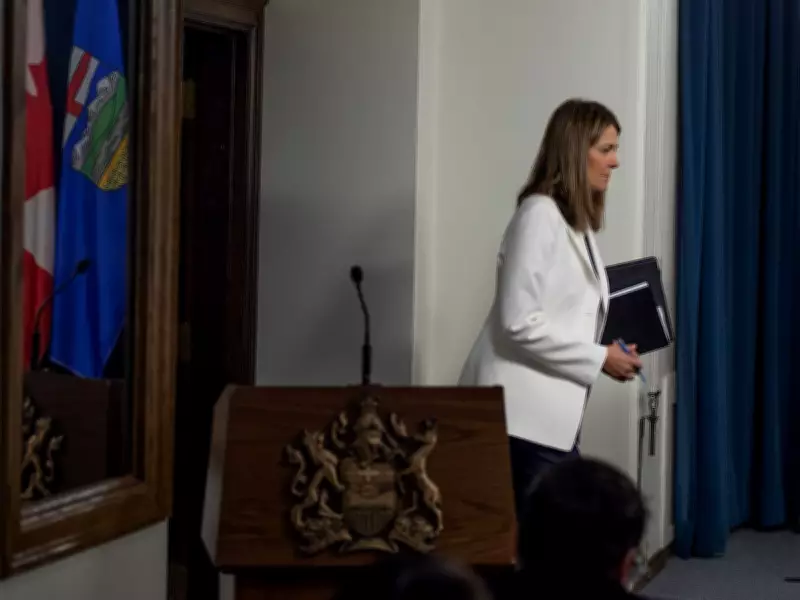
The letters follow Premier Danielle Smith and Justice Minister Mickey Amery's March 18 announcement of new MAID legislation in Edmonton. The provincial government has indicated a desire to impose stricter limitations on medical assistance in dying, particularly concerning Track 2 provisions that apply to individuals whose natural death is not reasonably foreseeable.
These reader responses highlight the ongoing tension between:
- Advocacy groups concerned about potential coercion of vulnerable populations
- Individuals defending patient autonomy and access to end-of-life options
- Political efforts to balance personal freedoms with protective regulations
The debate continues as Alberta seeks to establish its own framework within Canada's federal MAID legislation, with Edmonton residents actively participating in shaping the conversation through public discourse and published commentary.