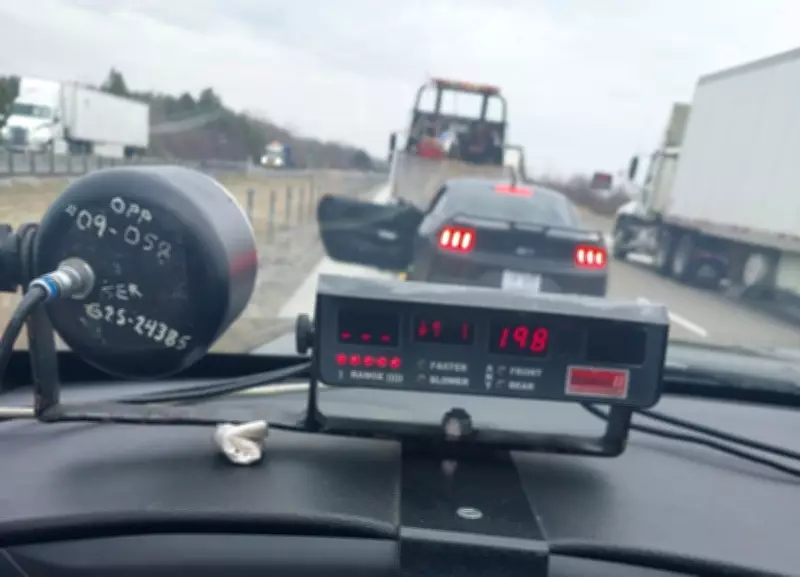
Driver Faces Charges After Vehicle Clocked at Nearly 200 km/h on Ontario's 401
A driver has been charged by the Ontario Provincial Police (OPP) after their vehicle was recorded traveling at nearly 200 kilometers per hour on Highway 401 in Chatham-Kent. The incident, which occurred on March 31, 2026, underscores persistent issues with excessive speeding on one of Canada's busiest highways.
Details of the High-Speed Incident
According to OPP reports, the driver was clocked at a staggering 198 km/h in a West Region patrol vehicle equipped with speed radar technology. This speed far exceeds the posted limit on Highway 401, which typically ranges from 100 to 110 km/h depending on the section. The OPP emphasized that such speeds pose a severe risk to public safety, increasing the likelihood of catastrophic accidents.
The charges laid against the driver include speeding and potentially reckless driving, with penalties that could involve hefty fines, license suspension, or even imprisonment under Ontario's Highway Traffic Act. This case is part of a broader enforcement effort by the OPP to crack down on dangerous driving behaviors, particularly on major thoroughfares like the 401.

Broader Implications for Road Safety
This incident highlights ongoing challenges in traffic enforcement and road safety across Ontario. Highway 401, a critical transportation corridor, has seen numerous high-profile speeding cases in recent years, prompting calls for stricter measures. Authorities note that excessive speed remains a leading factor in traffic fatalities and injuries, with data showing a correlation between speed and accident severity.
In response, the OPP has increased patrols and utilized advanced technology, such as radar and automated enforcement systems, to monitor and deter speeding. Public awareness campaigns have also been launched to educate drivers about the dangers of high-speed driving and the legal consequences they face.
Community and Legal Reactions
Local residents and safety advocates have expressed concern over the frequency of such incidents, urging for more robust enforcement and infrastructure improvements. "This is not an isolated case; it reflects a troubling trend of disregard for speed limits," said a spokesperson from a road safety organization. They called for enhanced penalties and better driver education to address the root causes of speeding.
From a legal perspective, this case may set a precedent for how similar violations are handled in the future, especially as authorities grapple with balancing enforcement with growing traffic volumes. The OPP's swift action in this instance demonstrates their commitment to upholding traffic laws and protecting road users.
As the legal proceedings unfold, this incident serves as a stark reminder of the importance of adhering to speed limits and practicing safe driving habits. It also underscores the critical role of law enforcement in maintaining order on Ontario's highways, ensuring that reckless behavior does not go unchecked.