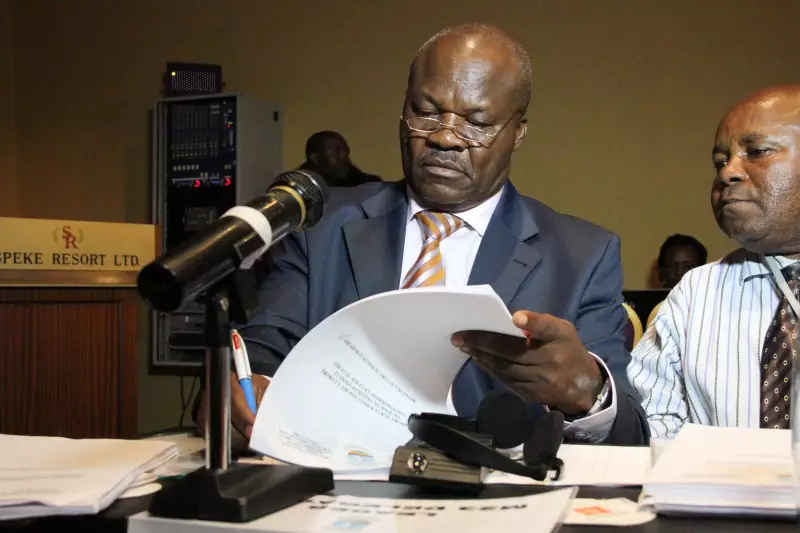
A Paris court has delivered a landmark verdict, sentencing former Democratic Republic of Congo rebel leader Roger Lumbala to 30 years in prison. The ruling, handed down on December 16, 2025, concludes a significant international justice case focused on atrocities committed in Central Africa.
The Charges and the Court's Decision
Roger Lumbala, who led the Congolese rebel group known as M23, faced charges of war crimes and crimes against humanity. The French judicial system tried him under the principle of universal jurisdiction, which allows for the prosecution of severe international crimes regardless of where they were committed.
The court found Lumbala guilty of orchestrating and participating in a campaign of violence, including murder, torture, and the recruitment of child soldiers, during the conflict in the eastern Democratic Republic of Congo. The three-decade sentence reflects the gravity of the crimes adjudicated.

Background of the M23 Rebellion
Lumbala was a prominent figure in the M23 movement, a rebel faction that was active in the resource-rich eastern regions of the DRC. The group's insurgency caused widespread displacement and humanitarian suffering. A notable image from February 6, 2013, shows Lumbala signing documents before a press briefing in Kampala, Uganda, during a period of attempted peace talks.
His arrest and subsequent trial in France were made possible through international cooperation. Lumbala had been living in France for several years prior to his apprehension by authorities.
Implications for International Justice
This conviction is seen as a major victory for victims and for the global effort to hold perpetrators of atrocity crimes accountable. It sends a strong message that individuals accused of such egregious offenses cannot find safe haven in other countries.
The 30-year prison term sets a precedent and may encourage further legal actions against other figures implicated in the long-running conflicts within the Democratic Republic of Congo. Human rights organizations have hailed the verdict as a crucial step toward ending impunity for violence in the region.
The case underscores the evolving role of national courts in Europe and elsewhere in addressing crimes that have an international dimension, filling gaps when local judicial systems are unable or unwilling to prosecute.