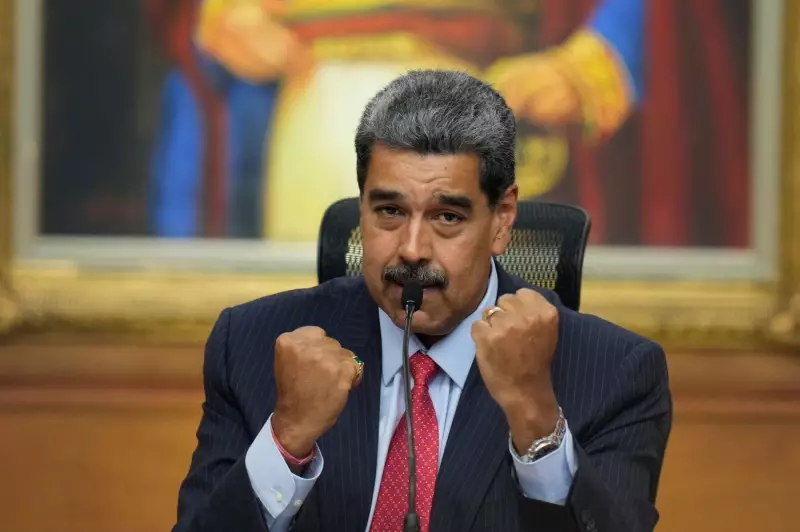
A significant legal controversy has broken out over the crucial question of who is authorized to act as legal counsel for former Venezuelan President Nicolás Maduro in upcoming court proceedings. The dispute highlights the complex and volatile political situation in the South American nation following Maduro's departure from power.
The Core of the Representation Dispute
The conflict centers on competing claims for the right to represent the former head of state. Multiple parties are now asserting they have the legitimate authority to speak for Maduro in a legal capacity, creating a procedural deadlock. This development comes in the wake of Maduro's disputed re-election in July 2024 and the subsequent political changes that have unfolded.
Observers note that the struggle for control of Maduro's legal defense is more than a simple courtroom formality. It is deeply intertwined with the ongoing power struggles within Venezuela's political elite and has implications for the country's future governance and international relations.

Background: A Nation in Transition
The controversy follows a period of intense political upheaval. Nicolás Maduro secured another term in a July 2024 election that was widely contested by opposition groups and parts of the international community. The legitimacy of that vote was a source of major dispute, setting the stage for the current transitional period.
Since that time, the political landscape has shifted dramatically, leading to Maduro's current status as a former leader requiring legal representation. The exact nature of the court proceedings for which representation is needed adds another layer of intrigue to the situation, though specific charges or case details are part of the unfolding legal narrative.
Implications and International Attention
This legal representation battle is being closely watched by foreign governments and international bodies. The outcome could influence Venezuela's diplomatic engagements and its adherence to international legal norms. Furthermore, it raises questions about the rule of law and the administration of justice during a sensitive political transition.
The dispute underscores the challenges of establishing clear legal and political authority in a post-Maduro Venezuela. How this issue is resolved may set important precedents for how former officials are treated under a new political order and could either stabilize or further destabilize the nation's fragile institutions.
As various factions vie for the right to control Maduro's legal strategy, the world waits to see how this pivotal chapter in Venezuela's modern history will be written in the court records. The resolution of this representation issue is a critical next step in the country's complex journey.