Cynthia Coffman: America's Longest-Serving Female Death Row Inmate
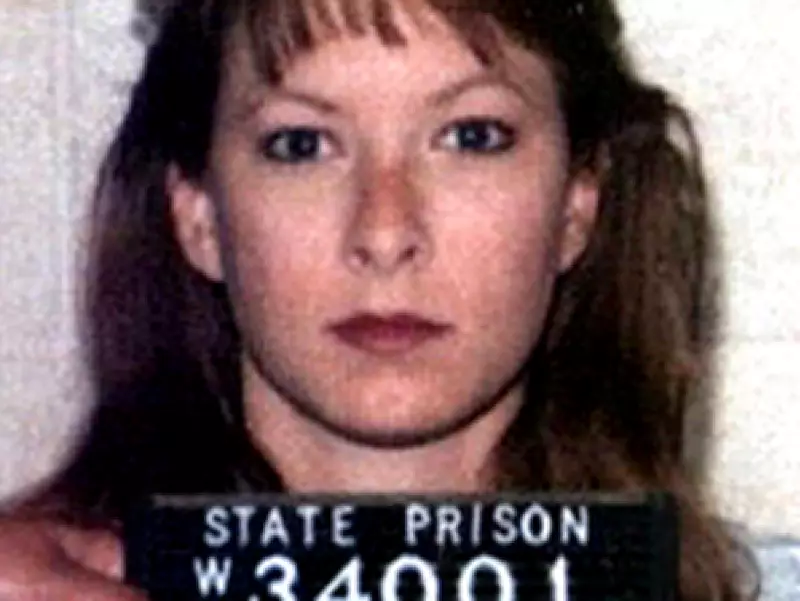
Convicted serial killer Cynthia Coffman has spent more time on death row than any other American woman, marking a grim milestone in the United States' criminal justice system. The 64-year-old inmate has been incarcerated at the Central California Women's Facility in Chowchilla for over 36 years, following her 1989 death sentence for multiple murders committed alongside her husband James Marlow.
A Charmed Beginning Turned Tragic
Coffman's path to infamy began far from the prison cells where she now resides. Raised in a wealthy St. Louis family as a devout Catholic, her life took a dramatic turn when she became pregnant at 17. She married the father of her child, but the relationship quickly deteriorated into what she described as five years of domestic horror.
"To get attention, I'd get in trouble, and for that," Coffman told the Orange County Register about her childhood, "I'll always remember the taste of Dove."

After fleeing to Arizona, Coffman's life took another dark turn when she met James Gregory Marlow, a Kentucky car thief who had just completed a three-year sentence at Folsom Prison. Marlow had developed affiliations with prison gangs during his incarceration, earning the nickname "Folsom Wolf."
The Deadly Partnership
Coffman and Marlow's relationship quickly evolved into a criminal partnership that would leave a trail of victims across multiple states. Their crimes escalated from petty theft and armed robbery to kidnapping, rape, and murder during a violent spree in late 1986.
Their victims included:
- Sandra Neary, 32, kidnapped, raped and murdered in Costa Mesa, California on October 11, 1986
- Pamela Simmons, 35, kidnapped in Bullhead City, Arizona on October 28, 1986
- Corinna Novis, 20, kidnapped and murdered in California on November 7, 1986
- Lynel Murray, kidnapped from a shopping mall parking lot and found dead in a Huntington Beach motel room on November 14, 1986
The Investigation and Capture
The couple's capture resulted from investigative work that traced their movements through discarded evidence. Novis's checkbook was discovered in a dumpster alongside fast-food wrappers containing Coffman and Marlow's names, allowing detectives to map their deadly journey.
Their final apprehension came on November 14, 1986, when a lodge owner in Big Bear, California alerted authorities about suspicious guests. Police found the couple hiking on a nearby mountain, both wearing clothing stolen from the dry cleaners where victim Lynel Murray had worked.
Coffman quickly cooperated with investigators, leading them to Novis's body and providing crucial information about their crimes.
The Trial and Sentencing
On July 18, 1989, a San Bernardino County jury sentenced both Coffman and Marlow to death. Prosecutors described them as "two flaky sociopaths separately" who together became "like Bonnie and Clyde all the way."
Raymond Haight, the deputy district attorney who prosecuted the case, noted that Coffman's intelligence and manipulative nature worked against her during the trial. "She's a very bright woman. She is very manipulative and very clever, and she reeked of sexuality," Haight observed. "The jury could see that manipulation, and the women jurors were more against her than the men."
Life on Death Row
Coffman's death sentence made her the first woman sentenced to execution after California reinstated the death penalty in 1977. She has now spent more time awaiting execution than any other American woman, surpassing even Elizabeth Duncan, who was executed in 1962 for hiring hitmen to kill her daughter-in-law.
In a 1992 interview with the Los Angeles Times, Coffman expressed fear about her sentence while maintaining some hope. "I'm afraid of the death penalty ... but I'd hope to go to a better place than here," she told the newspaper. "But I'd still rather have life."
California's execution methods have evolved during Coffman's incarceration, transitioning from gas chamber executions to lethal injection. Currently, a moratorium on executions remains in place under Governor Gavin Newsom's administration, leaving Coffman and other death row inmates in legal limbo.

The case continues to raise questions about gender, criminal psychology, and the American justice system's handling of long-term death row inmates.