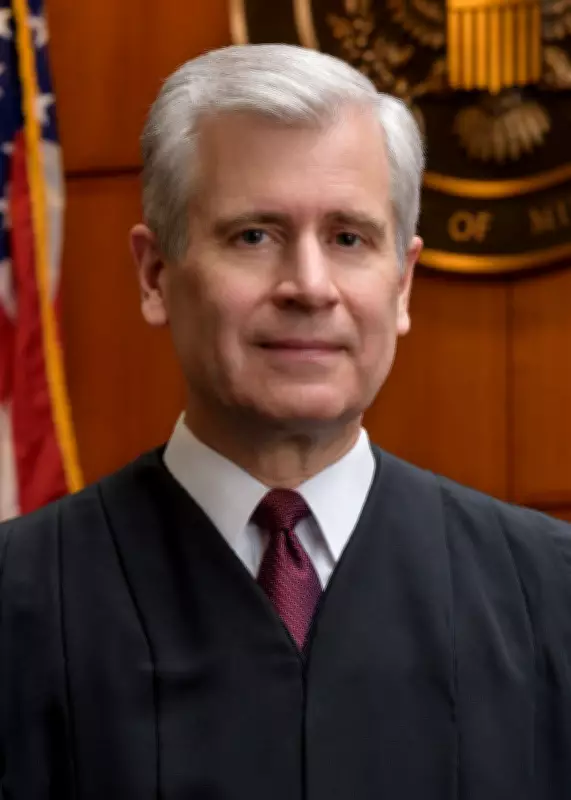
Conservative Jurist in Minnesota Asserts Judicial Oversight Amid Trump Administration Crackdown
In a notable development within the American legal landscape, Chief U.S. District Judge Patrick Schiltz of Minnesota is emerging as a significant figure in efforts to maintain checks and balances on the Trump administration. As a conservative judge appointed under previous Republican leadership, Schiltz's actions are drawing attention for their role in scrutinizing and potentially restraining federal initiatives during a period marked by aggressive policy enforcement.
Judge Schiltz's Background and Judicial Philosophy
Patrick Schiltz, who serves as the chief judge for the U.S. District Court of Minnesota, has built a reputation as a thoughtful and principled jurist. His career includes extensive experience in both academia and the judiciary, having taught law before his appointment to the bench. Schiltz's conservative leanings are well-documented, yet his recent rulings demonstrate a commitment to judicial independence and the rule of law, rather than partisan alignment.
This approach is particularly relevant in the current political climate, where the Trump administration has pursued a wide-ranging crackdown on various issues, from immigration to trade. Schiltz's courtroom in Minneapolis has become a focal point for legal challenges to these policies, with the judge carefully weighing arguments from both sides to ensure due process and constitutional adherence.

The Role of the Judiciary in Overseeing Executive Actions
The involvement of a conservative judge like Schiltz in checking the Trump administration underscores the vital function of the judiciary in American democracy. Regardless of political affiliations, federal judges are tasked with interpreting laws and the Constitution, often serving as a buffer against potential overreach by the executive branch.
In Minnesota, Schiltz has presided over cases that touch on key aspects of the administration's agenda, including regulatory enforcement and civil liberties. His rulings have emphasized the importance of transparency, fairness, and legal precedent, setting a standard that may influence other courts across the nation. This judicial oversight is crucial during times of heightened political tension, as it helps preserve public trust in governmental institutions.
Implications for Future Legal and Political Dynamics
Judge Schiltz's actions could have lasting implications for how conservative jurists engage with future administrations, whether Republican or Democratic. By demonstrating that judicial principles can transcend partisan politics, he is contributing to a broader dialogue about the role of courts in safeguarding democratic norms.
Moreover, his oversight in Minnesota may serve as a model for other judges facing similar challenges, encouraging a balanced approach that prioritizes legal integrity over ideological conformity. As the Trump administration continues to implement its policies, the scrutiny from judges like Schiltz will remain a critical component of the checks and balances system, ensuring that executive power is exercised within the bounds of the law.
In summary, Chief Judge Patrick Schiltz's role in Minnesota highlights the enduring importance of an independent judiciary in American governance. His conservative background, combined with a steadfast commitment to judicial oversight, offers a compelling example of how the courts can act as a stabilizing force during periods of political upheaval and administrative crackdowns.