Judge Confronts Contradictory Accounts in Windsor School Sex Assault Case
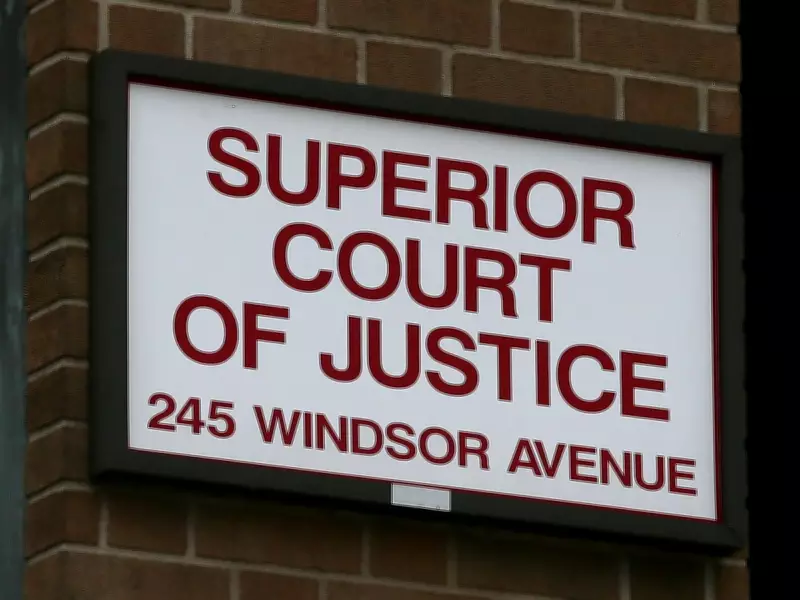
Following closing arguments in the sexual assault trial of a former Windsor high school advisor and professional football player, Superior Court Justice Brian Dube stated he must now carefully evaluate and reconcile the conflicting versions presented regarding a crucial element of the case against Michael Hampden-Carter.
"Someone is not telling me the truth here," Justice Dube declared Wednesday at the conclusion of the trial proceedings, highlighting the fundamental challenge facing the court in determining what actually occurred.
Multiple Charges and Allegations
Hampden-Carter, 39, was arrested by Windsor police in 2022 and eventually faced three counts each of sexual assault and sexual exploitation involving three female high school student complainants. The case has drawn significant attention due to the defendant's former roles as both a sports coach and Canadian Football League player.

Assistant Crown attorney Christina Eid argued during her closing submissions that the accused was "testing the waters to see what he can get away with" as part of what she characterized as systematic grooming behavior. Eid contended that Hampden-Carter leveraged his position working with students to establish trust and gradually push boundaries with them.
Pattern of Alleged Grooming Behavior
The prosecution outlined what they described as a concerning pattern of behavior that included:
- Providing students with rides home after school
- Paying for one student to get her nails done at a salon
- Engaging in inappropriate discussions about sexual history with teenagers
- Communicating with students through social media platforms like Snapchat
"It's part of the grooming process," Eid emphasized to the court, suggesting these actions represented calculated steps toward more serious misconduct.
Defense Alleges Collusion Among Complainants
In stark contrast to the prosecution's narrative, defense counsel Jessica Grbevski pointed to what she characterized as significant inconsistencies in the testimony of the complainants. The defense team accused the students of coordinating in advance what they would tell both school authorities and police investigators.
"If this isn't a clear case for collusion, I don't know what is," Grbevski told the court during her closing submissions. She argued that the contradictory accounts presented by the complainants undermined the credibility of their allegations against Hampden-Carter.
The defense emphasized that "multiple versions ... all cannot be true at the same time," highlighting what they viewed as irreconcilable differences in the students' testimonies regarding key events.
Contradictory Accounts of Key Incident
A particularly contentious element of the case involves an incident on January 27, 2022, when Hampden-Carter met two girls at a business located across the street from the high school to drive them home. According to the prosecution, one of the teens had been communicating with Hampden-Carter on Snapchat before the ride and had discussed having a "threesome" with the girls.
Eid alleged that after driving for several minutes, they ended up parked in a residential area where Hampden-Carter climbed over the center console into the back seat between the two girls. The Crown attorney claimed Hampden-Carter attempted to push the girls' heads together to make them kiss, though she acknowledged "they pulled away and didn't make contact."
Significantly, both the prosecution and defense agreed that the two girls provided contradictory versions of what exactly transpired in the back seat of Hampden-Carter's vehicle that day. These conflicting accounts now form a central challenge for Justice Dube as he prepares to render his verdict in this complex and emotionally charged case.
The trial has highlighted the difficult task judges face when presented with contradictory testimonies in sexual assault cases, particularly those involving minors and authority figures within educational settings. The outcome will depend heavily on how Justice Dube evaluates the credibility of the various accounts presented during the proceedings.