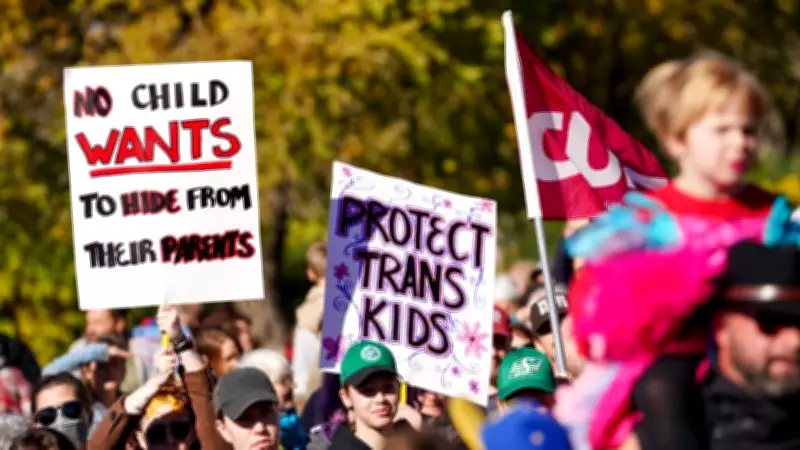
The Canadian Medical Association (CMA) has formally applied to intervene in a high-profile court case in Saskatchewan concerning pronoun policies for youth. This move underscores the medical community's growing concern over the potential health implications of such legislation, particularly for vulnerable populations.
Background and Context
The case revolves around proposed legislation in Saskatchewan that would restrict the use of preferred pronouns for minors in educational settings without parental consent. This has sparked significant public debate, with rallies and protests occurring across the province, including a notable demonstration in Regina in October 2023. The CMA's decision to seek intervention highlights the intersection of healthcare, law, and social policy in Canada.
CMA's Rationale for Intervention
In its application, the CMA argues that the pronoun policy could have severe consequences for the mental and physical well-being of transgender and non-binary youth. The association cites extensive medical research indicating that affirming a young person's gender identity is crucial for reducing risks of depression, anxiety, and suicide. By intervening, the CMA aims to provide expert testimony on these health-related aspects, emphasizing that policies should be informed by scientific evidence rather than political considerations.

Key points from the CMA's stance include:
- The importance of creating safe and supportive environments for all youth, particularly those in marginalized groups.
- Concerns that restrictive policies may deter young people from seeking necessary medical and psychological care.
- A commitment to upholding medical ethics, which prioritize patient autonomy and informed consent.
Broader Implications and Reactions
This intervention request comes amid a national conversation on gender identity and rights in Canada. Other provinces have faced similar debates, making the Saskatchewan case a potential precedent. Legal experts suggest that the CMA's involvement could influence the court's decision by framing the issue within a health and human rights context. Meanwhile, advocacy groups on both sides of the debate have expressed strong opinions, with some praising the CMA for prioritizing youth health and others criticizing it for overstepping into political matters.
The outcome of this case could set important legal standards for how gender identity issues are handled in schools and healthcare settings across the country.
Looking Ahead
As the court prepares to hear the case, stakeholders are closely monitoring developments. The CMA's intervention application is expected to be reviewed in the coming months, with hearings potentially scheduled for late 2026. This situation reflects a broader trend of medical organizations engaging in public policy debates to advocate for evidence-based approaches that protect community health.