China Grants Clemency to Abbotsford Man Facing Death Penalty
In a significant diplomatic development, China has overturned the death sentence for Robert Lloyd Schellenberg, a man from Abbotsford, British Columbia, who had been convicted on drug trafficking charges. This decision comes as relations between Canada and China appear to be warming after years of tension.
Legal Reversal by Supreme People's Court
The Supreme People's Court of China, which represents the highest level of the Chinese legal system, struck down the lower court's death sentence on Friday. Schellenberg, now 43 years old, had been held in Chinese custody since 2014 following his arrest in connection with a drug-smuggling conspiracy.
The original case involved an attempt to ship 222 kilograms of methamphetamine concealed in plastic pellets within tires, destined for Australia from China. Schellenberg maintained that he was merely a tourist visiting the country, but Chinese courts convicted him nonetheless.

From Prison Sentence to Death Penalty
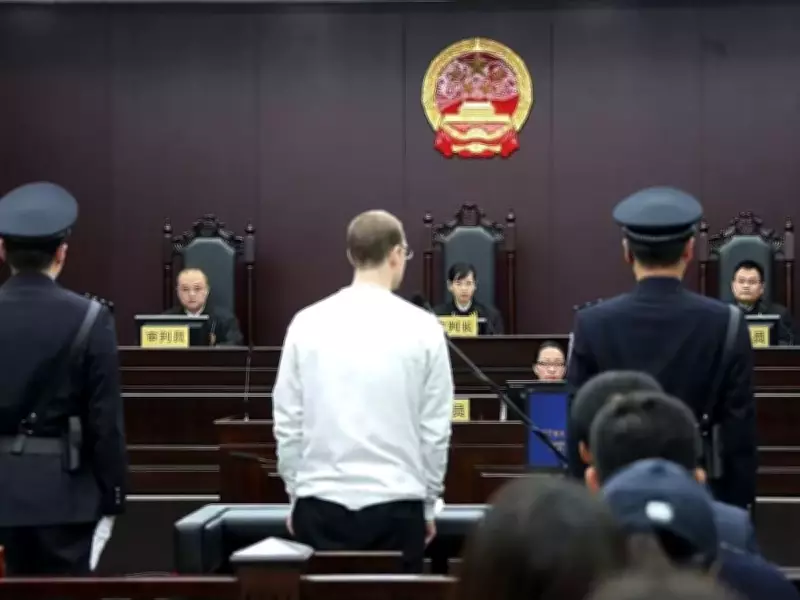
Initially, Schellenberg received a 15-year prison sentence for his involvement in the drug operation. However, in a surprising turn of events during a one-day retrial in January 2019, his sentence was escalated to the death penalty. This automatic review by the Supreme People's Court has now resulted in clemency being granted.
The timing of the 2019 death sentence coincided with heightened diplomatic friction between Canada and China, occurring just one month after Canadian authorities arrested Meng Wanzhou, the Chief Financial Officer of Huawei, at the request of the United States.
Diplomatic Context and Improving Relations
The reversal of Schellenberg's death sentence follows Prime Minister Mark Carney's recent trip to Beijing for meetings with President Xi Jinping. As Canada seeks more stable trading partnerships amid deteriorating economic relations with the United States, diplomatic channels with China have shown signs of thawing.
This case had remained a contentious issue between the two nations for years, particularly following the arrests of two other Canadians—Michael Kovrig and Michael Spavor—on espionage charges shortly after Meng Wanzhou's detention. Both men spent over 1,000 days in Chinese custody before being released in September 2021, the same day Meng was freed from Canadian detention.
Global Affairs Canada's Response
Global Affairs Canada confirmed awareness of Schellenberg's reprieve in a statement to the New York Times, though officials declined to provide specific details about the case. The department reiterated Canada's consistent position regarding citizens facing capital punishment abroad, stating: "Canada has advocated for clemency in this case, as it does for all Canadians who are sentenced to the death penalty."
Schellenberg's situation had drawn particular concern given that four other Canadians convicted of drug-related charges in China were executed last year. His continued detention in China will now proceed without the threat of execution hanging over him.
The Fraser Valley resident had previously seen a 2021 appeal rejected before this latest development. While he remains in Chinese custody, the removal of the death sentence represents a significant legal and diplomatic outcome in a case that has spanned nearly a decade.