Alberta Experiences Record-Breaking Warmth with Dozens of Monthly Highs Toppled
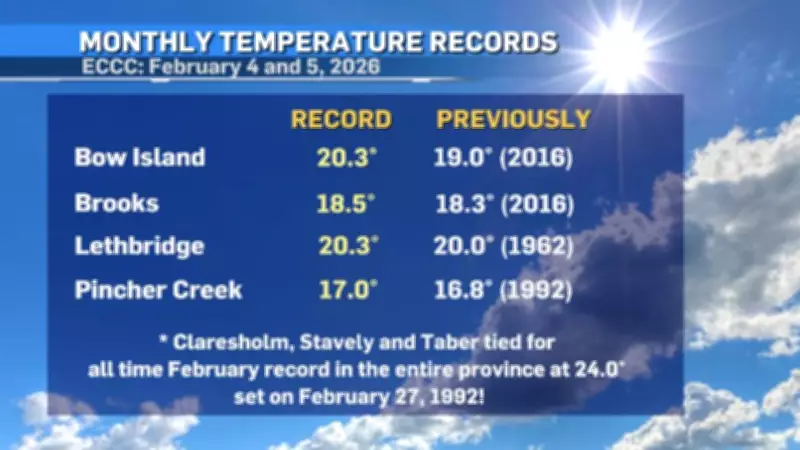
An unprecedented warm spell has swept through Alberta this week, shattering more than two dozen monthly temperature records across the province. The remarkable meteorological event continued through Friday, marking a significant departure from typical seasonal norms for this time of year.
Unseasonable Conditions Defy Winter Expectations
While meteorologists anticipate some cooling over the weekend, forecasters predict that sunshine and above-seasonal temperatures will persist well into next week. This extended period of warmth represents a notable deviation from Alberta's typical February weather patterns, raising questions about broader climate trends affecting the region.
The record-breaking temperatures have created unusual conditions across Alberta's diverse landscapes, from urban centers to rural communities. Residents have reported experiencing spring-like weather during what is normally one of the coldest months of the year.

Context Within Broader Weather Patterns
This Alberta warm spell occurs amidst various weather events across Canada. While Alberta basks in unseasonable warmth, other regions face contrasting conditions:
- Blizzard and cold warnings remain in effect in some areas
- White-out conditions have been reported in Ontario's Tiny Township
- A British Columbia woman expressed delight at seeing cherry blossoms after traveling from snowy Alberta
The temperature records set in Alberta this week add to growing concerns about shifting weather patterns and climate variability across Canada. Scientists continue to monitor these developments as part of broader research into climate change impacts on regional weather systems.
Looking Ahead: Weather Forecast and Implications
Meteorological experts suggest that while temperatures will moderate somewhat over the coming days, the overall pattern of above-seasonal warmth is likely to continue. This extended warm period could have various implications for Alberta's environment, agriculture, and energy sectors.
The record-setting temperatures documented this week serve as a striking example of weather extremes becoming more frequent in Canada. As researchers collect and analyze this data, it contributes to our understanding of how climate patterns are evolving across the country.