Former Canadian Olympic Snowboarder Ryan Wedding Surrenders to U.S. Authorities in Mexico City
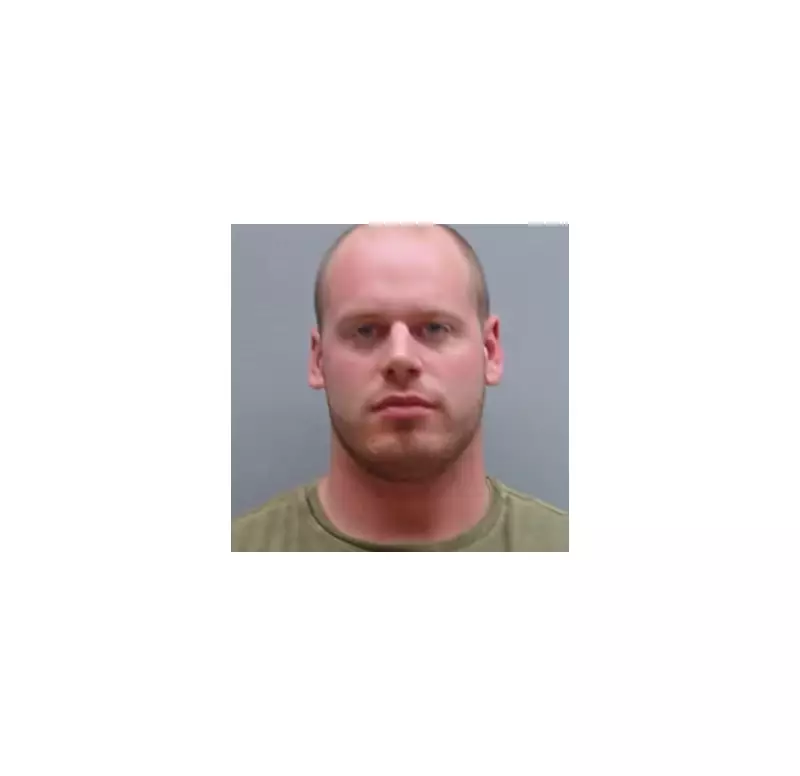
Suspected Canadian cocaine kingpin Ryan Wedding, a 44-year-old former Olympic snowboarder, now faces the prospect of spending the rest of his life in a U.S. prison after surrendering at the American Embassy in Mexico City. The dramatic turn of events marks a significant development in an international manhunt that has captivated law enforcement agencies across North America.
From Olympic Glory to International Fugitive
Ryan Wedding, once celebrated for representing Canada in snowboarding at the Winter Olympic Games, now finds himself among the world's most wanted criminals. The Thunder Bay native's fall from grace has been spectacular and complete, with FBI Director Kash Patel announcing his capture with considerable fanfare following Thursday's surrender.
Had Wedding been arrested in Canada, he might have received more lenient treatment from the judicial system. However, in the United States, he faces a much harsher reality with potentially life-altering consequences for his alleged criminal activities.

Protected by Cartels, Then Abandoned
For more than a decade, Wedding operated under the protection of the notorious Sinaloa cartel in Mexico, moving between luxury hotels in Mexico City while allegedly running his drug trafficking empire. His protection came primarily from the "Chapitos," the sons of imprisoned drug lord El Chapo.
However, his fortunes changed dramatically when civil war erupted within the Sinaloa cartel between factions controlled by the Chapitos and those loyal to Ismael "El Mayo" Zambada Garcia. According to cartel expert David Saucedo, the Chapitos ultimately withdrew their protection, leaving Wedding vulnerable and exposed.
"That was Ryan's problem; he trusted excessively in Los Chapitos, and Los Chapitos have betrayal tattooed on their skin," Saucedo told CBC News. "That's how Los Chapitos have survived for so many years—they've betrayed associates, friends, collaborators. Ryan was no exception."The Inevitable Surrender
As the manhunt intensified over the past four months, law enforcement sources indicated that Wedding's days as a fugitive were numbered. Named to the FBI's Ten Most Wanted list with a $15 million reward for information leading to his capture, he had become too hot to handle even for his former protectors.
The increasing volume of intelligence about Wedding and his organization—including photographs, raids, and surveillance—created mounting pressure that ultimately led to his decision to surrender rather than face potential violence from rival cartel factions.
Facing the Ultimate Choice: Cooperation or Consequences
Now sitting in an American prison, Wedding faces a critical decision that confronts nearly every major criminal defendant in the U.S. justice system. He must choose between maintaining silence about his former associates or cooperating with authorities in exchange for potential leniency.
Historical precedent suggests that Wedding will likely choose cooperation. As former Gambino crime family underboss Sammy "The Bull" Gravano once noted, the criminal code of silence—omerta—has always been more myth than reality when survival is at stake.
Both Gravano and Bonanno family boss Joseph "Big Joey" Massino ultimately betrayed their criminal brethren to secure better outcomes for themselves. Wedding now stands at a similar crossroads, with his knowledge of Sinaloa cartel operations, political connections, payoffs, murders, and corruption potentially valuable to prosecutors.
International Implications and Ongoing Investigations
Wedding's arrest has triggered numerous questions about what happens next in Mexico, Canada, and the United States. His alleged drug trafficking apparatus, which authorities believe the cartel will attempt to maintain, represents just one piece of a complex international criminal network.
As the legal proceedings unfold, observers will watch closely to see whether Wedding follows the path of other high-profile criminals who have traded information for reduced sentences. His cooperation could potentially unravel significant portions of the Sinaloa cartel's operations and provide intelligence about corruption at multiple levels.

The case serves as a stark reminder of how quickly fortunes can change in the criminal underworld, where yesterday's protected associate can become today's expendable liability with alarming speed.