Canada's Troubled Legacy of Police Inaction Against Protesters
In a significant policy shift, Toronto police have announced they will finally begin enforcing laws against protesters who have been targeting Jewish neighborhoods with antisemitic harassment. This decision comes after more than two years of aggressive demonstrations where pro-Hamas, anti-Israel protesters paraded through residential areas, hurling invective at residents. While protesters will still be permitted to gather on main streets and intersections, they will no longer be allowed to disturb the peace in residential communities.
A Pattern of Reluctant Enforcement
The Jewish community has expressed both relief and frustration at this belated intervention. For thirty months, Canadian cities—particularly Toronto and Montreal—have witnessed not only incitement to violence but actual violent incidents targeting Jewish institutions. Recent shootings at Toronto synagogues may have finally prompted this change in police strategy, but the delay reflects a deeper historical pattern of law enforcement reluctance to confront determined protesters.
This phenomenon is not new to Canada. The country has a long, documented history of police forces hesitating to intervene in protests, even when laws are being broken. While many Canadians were shocked by the police's previous hands-off approach to antisemitic demonstrations, this pattern has roots stretching back to before Confederation.

Historical Precedents of Police Inaction
Consider the Types Riot of 1826, exactly two centuries ago. William Lyon Mackenzie, grandfather of Canada's longest-serving prime minister, used his newspaper, the Colonial Advocate, to advocate for democratic reforms against the ruling "Family Compact" in Upper Canada. This elite group, fiercely loyal to the British crown and suspicious of democracy, controlled most aspects of public life.
When several young law students and associates of the Family Compact broke into and ransacked Mackenzie's newspaper offices, destroying the printing press and throwing lead type into Lake Ontario, the response from authorities was telling. Passersby refused to help, senior Family Compact members watched without intervening, and the attorney general declined to bring criminal charges. Mackenzie was left to pursue civil remedies instead.
Modern Parallels and Selective Enforcement
Canada subsequently developed a reputation for law, order, and good government, symbolized by the North West Mounted Police maintaining peace on the frontier. However, recent decades have revealed a troubling pattern of selective enforcement.
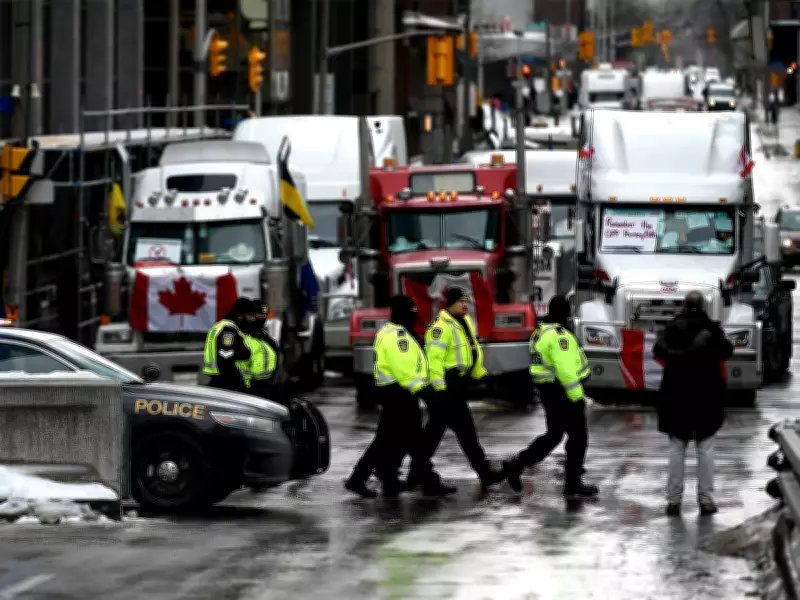
While high-profile events like the APEC protests in Vancouver (1997) and G20 protests in Toronto (2010) saw aggressive police responses, these were cases of government protecting itself, its guests, or its international reputation. The more common pattern in contemporary Canada has been government failure to protect private property and citizens from protest-related disruptions.
The recent norm has been police reluctance to intervene unless government interests are directly threatened. This creates a double standard where protesters targeting private citizens or communities face less immediate enforcement than those challenging government authority directly.
Systemic Implications for Canadian Policing
This historical and contemporary pattern raises serious questions about:
- Equal protection under the law: Why do some protests receive immediate police attention while others continue for years without intervention?
- Community safety priorities: How do police determine when to protect residential communities from protest-related harassment?
- Historical continuity: To what extent does Canada's colonial history of elite protectionism continue to influence modern policing decisions?
The Toronto police's new policy represents a welcome, if belated, recognition that all citizens deserve protection from targeted harassment, regardless of the political context. However, it also highlights a systemic issue in Canadian law enforcement that requires broader examination and reform to ensure consistent application of the law for all communities.