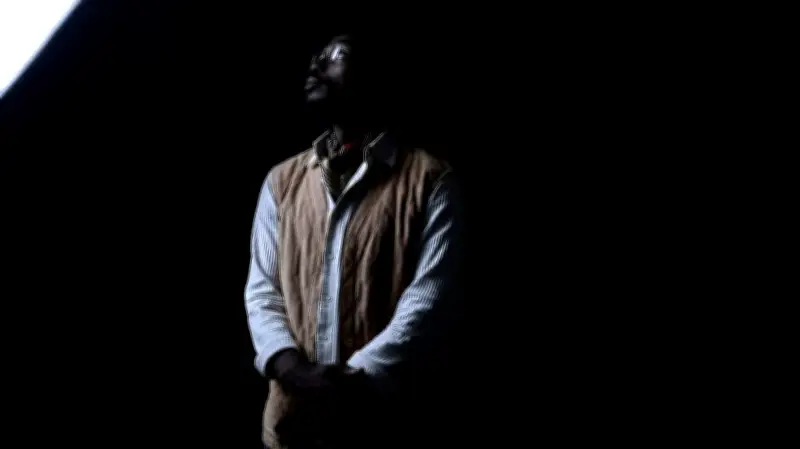
Two experts have weighed in on what goes through a Black man's mind when he is pulled over by police repeatedly, shedding light on the psychological toll of racial profiling. The phenomenon, often described as 'driving while Black,' leads to heightened anxiety, fear for one's life, and a sense of injustice. According to the experts, these stops are not isolated incidents but part of a broader pattern of systemic racism that affects Black communities.
The Psychological Impact of Repeated Police Stops
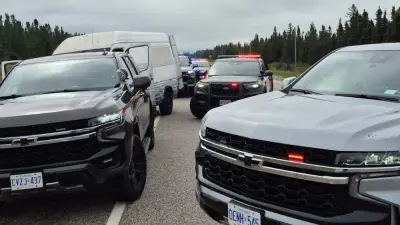
When a Black man sees flashing lights in his rearview mirror, his mind races through a series of survival strategies. The experts note that many Black men are taught from a young age to keep their hands visible, avoid sudden movements, and speak respectfully to officers. This hypervigilance stems from a history of violent encounters, including high-profile cases like the deaths of George Floyd and Philando Castile. The constant fear of being misunderstood or targeted can lead to chronic stress, anxiety, and even post-traumatic stress disorder (PTSD).
Systemic Racism and the Justice System
The experts emphasize that these experiences are not random but are rooted in systemic racism within policing. Studies have shown that Black drivers are more likely to be pulled over, searched, and arrested than white drivers, even when controlling for traffic violations. This disparity erodes trust in law enforcement and the justice system. The article notes that repeated stops can make Black men feel criminalized simply for existing, reinforcing a cycle of alienation and mistrust.

What Black Men Wish Officers Understood
According to one expert, Black men often wish officers would recognize their humanity and treat them with dignity. The experts suggest that police training should include de-escalation techniques and cultural competency to reduce tensions. Community policing initiatives, where officers build relationships with residents, could also help. However, the experts caution that without addressing the underlying biases and structural issues, these measures may be insufficient.
The Broader Social Context
The article touches on the broader social context, including the Black Lives Matter movement and calls for police reform. The experts argue that the problem is not just individual officers but a system that disproportionately targets Black men. They call for data collection on traffic stops, independent oversight of police departments, and a shift toward public safety models that prioritize community well-being over punitive measures.
Moving Forward: Hope and Action
Despite the grim reality, the experts express hope that increased awareness and activism can lead to change. They encourage Black men to speak out about their experiences and seek mental health support. The article concludes by urging readers to advocate for policy changes and support organizations working to dismantle systemic racism. As one expert stated, 'We need to listen to Black men and believe them when they tell us what they go through.'