B.C. Watchdog Withdraws Arrest Report Due to Evidentiary Gaps After Officer Declines Statement
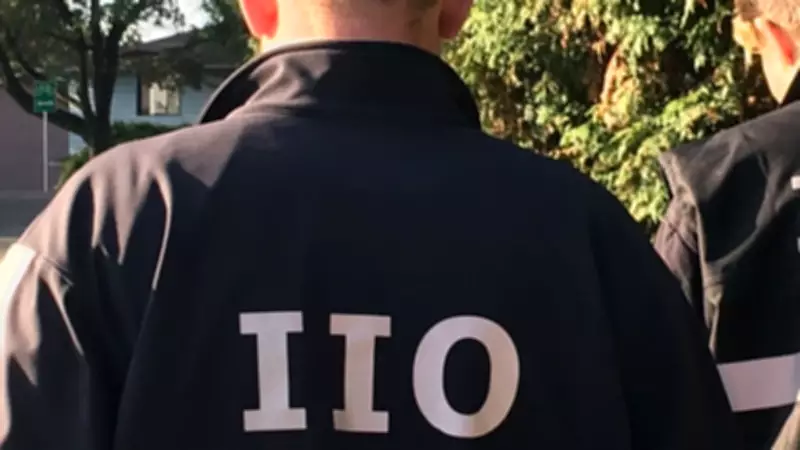
The Independent Investigations Office (IIO) in British Columbia has officially withdrawn a report concerning a recent arrest, citing significant evidentiary gaps that emerged after a key police officer involved declined to provide a statement. This decision underscores ongoing challenges in ensuring accountability and transparency within law enforcement oversight processes.
Details of the Withdrawal
According to sources, the IIO, which is responsible for investigating incidents involving police officers that result in serious harm or death, had been examining an arrest that occurred earlier this year. However, the investigation hit a major roadblock when the officer central to the case refused to cooperate by not offering a formal statement. This lack of input created substantial voids in the evidence, making it impossible for the watchdog to proceed with a comprehensive or fair assessment.
The IIO emphasized that without this critical testimony, the report could not meet the rigorous standards required for public release. Evidentiary gaps of this nature can compromise the integrity of investigations, potentially leaving victims and the public without clear answers regarding police conduct.

Implications for Police Oversight
This incident highlights broader issues within police oversight mechanisms in Canada. When officers do not participate in investigations, it can hinder the ability of watchdogs like the IIO to fulfill their mandate effectively. Experts note that such scenarios may erode public trust in law enforcement and the systems designed to hold them accountable.
In response, advocacy groups are calling for stronger measures to ensure officer cooperation in IIO probes. They argue that without mandatory participation or enhanced legal frameworks, similar evidentiary gaps could recur, undermining justice and transparency.
Context and Reactions
The withdrawal comes amid increasing scrutiny of police practices across British Columbia and nationwide. Recent cases have sparked debates about the balance between officer rights and the need for thorough investigations. Community leaders express concern that incidents like this could set a precedent, allowing officers to avoid accountability by withholding statements.
Meanwhile, the IIO has stated it will continue to monitor the situation and may revisit the case if new evidence surfaces. The office remains committed to its role in promoting accountability, but acknowledges the challenges posed by uncooperative subjects.
As this story develops, it serves as a reminder of the complexities involved in police oversight and the ongoing efforts to bridge evidentiary gaps in pursuit of justice.