B.C. Hearing: Man's Injuries After Police Altercation Described as 'Looking Like a Hanging'
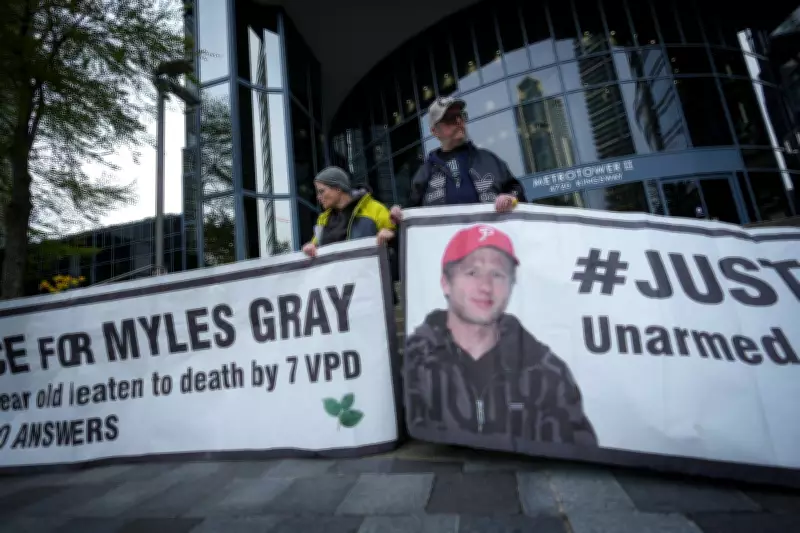
A public hearing into the police-involved death of Myles Gray resumed on Monday, with disturbing testimony emerging about the nature of his injuries. According to reports presented at the proceeding, the injuries sustained by Gray after an altercation with law enforcement officers were described as "looking like a hanging." This graphic characterization has intensified scrutiny over the circumstances surrounding his tragic demise and raised significant questions about police conduct during the incident.
Details of the Hearing and Testimony
The hearing, which is part of an ongoing investigation into Gray's death, heard from witnesses and experts who provided detailed accounts of the events leading up to and following the altercation. Testimony indicated that Gray suffered severe injuries that were visually comparable to those typically associated with a hanging, suggesting a high level of force was used during the encounter. This description has sparked outrage among community members and advocates calling for transparency and accountability in police operations.
Myles Gray's case has been a focal point for public concern regarding police interactions with civilians, particularly in situations involving mental health or distress. The hearing aims to uncover the facts of the case, including the actions taken by officers and the protocols followed during the altercation. Authorities have emphasized their commitment to a thorough and impartial review, but critics argue that such incidents underscore systemic issues within law enforcement that need urgent addressing.

Broader Context and Community Response
This hearing occurs against a backdrop of increasing public demand for police reform and greater oversight of law enforcement agencies across Canada. Similar cases in other provinces have led to protests and calls for changes in how police handle sensitive situations, especially those involving individuals in crisis. The description of Gray's injuries as "looking like a hanging" has amplified these concerns, with many viewing it as indicative of excessive force that may have contributed to his death.
Community groups and legal experts are closely monitoring the proceedings, hoping that the hearing will lead to actionable recommendations to prevent future tragedies. They stress the importance of independent investigations and the need for police to adopt de-escalation techniques and better training for dealing with vulnerable populations. The outcome of this hearing could have implications for policy changes and legal standards governing police conduct in British Columbia and beyond.
As the hearing continues, further testimony is expected to shed light on the specific details of the altercation and the medical evidence related to Gray's injuries. The case remains a poignant reminder of the critical need for accountability and justice in police-involved incidents, with many awaiting the final findings to guide future actions and reforms.