

B.C. Ends Drug Decriminalization Pilot, MLA Calls for Renewed Possession Charges
British Columbia's controversial drug decriminalization pilot program has officially concluded, with provincial officials acknowledging it failed to deliver anticipated results. The radical experiment, which allowed personal possession of small amounts of illegal drugs without criminal penalties, ended in late January after nearly three years of implementation.
"The Pilot Hasn't Delivered"
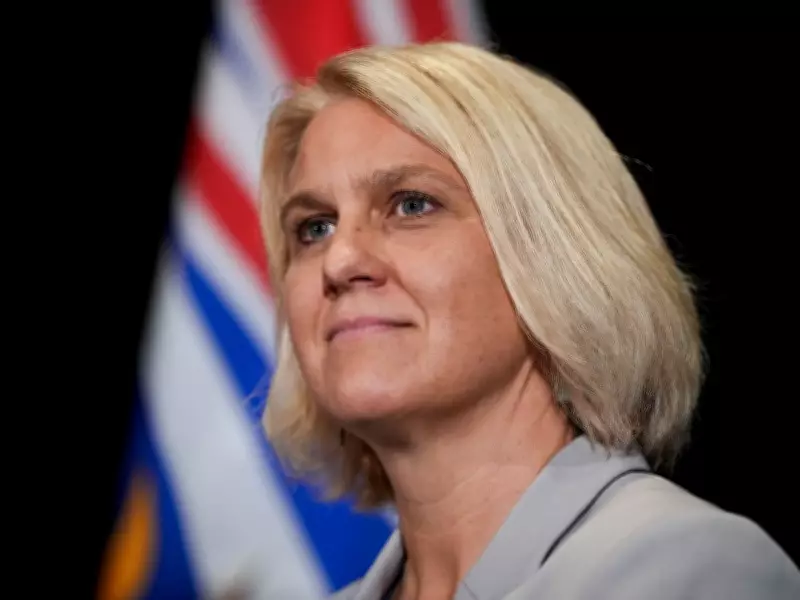
B.C.'s health minister publicly admitted the program "hasn't delivered the results that we hoped for," marking a significant policy reversal for a province that had been at the forefront of Canada's harm reduction approach to substance use. Independent MLA Elenore Sturko, a former RCMP officer representing Surrey-Cloverdale, declared unequivocally: "Decriminalization — the pilot at least — is over."
Sturko, a long-time critic of what she describes as B.C.'s "soft-on-drugs approach," argues the province's step-back isn't sufficient. She insists authorities must now commit to charging individuals for possession of hard drugs including cocaine, methamphetamine, MDMA, and opioids like heroin and fentanyl.

Public Disorder Concerns
The MLA points to what she describes as a "huge increase in public street disorder" during the decriminalization period. "People cutting illicit powders on Tim Horton's tables, hospitals, everything. It was pretty wild," Sturko reports, highlighting visible drug use in public spaces that became more common under the pilot program.
She questions the logic of police arresting people for drug possession if the Crown doesn't proceed with charges. "We diminished our opportunity to help compel and guide people towards the help they actually need," Sturko laments, suggesting that without legal consequences, many individuals with substance use disorders lack motivation to seek treatment.
Treatment Versus Incarceration
Sturko emphasizes that her position isn't about criminalizing addiction. "Of course, we don't want to put everyone with an addiction in jail. It's not the answer," she acknowledges. However, she argues that for many people encountering legal trouble, drug use drives problematic behavior, and legal intervention could serve as a pathway to necessary treatment.
The MLA expresses frustration with what she sees as the government's failure to transparently share lessons from the decriminalization experiment. "We were promised robust, scientific data," she declares. "We've not received that; we've just been told, 'Oh, we're stopping decriminalization because it didn't work.'"
Demand for Public Inquiry
Sturko is demanding a public, fact-finding inquiry to examine what the province learned during the pilot program, particularly regarding impacts on public safety. She suggests political motivations might explain government reluctance: "You can guess why neither the provincial nor the federal government would like an inquiry into these things. Because there will be evidence that they ignored signs of harm being done on the population."
The MLA points to Alberta's approach as potentially instructive, where in some cases authorities can compel treatment for individuals with substance use disorders. "I love what Alberta is doing," she volunteers, "creating a system where they are actually saying, 'Yeah, in some cases, we're going to need to intervene.'"
B.C.'s Unique Challenges
However, Sturko recognizes B.C. requires a tailored approach. "We have a much larger problem, and we have a larger population of people with brain damage here," she explains, referring to neurological impacts of substance use. "So our model has to be created in a different way. But I would like to see the same intent to help, and the same intent to intervene when we have to."
Currently, B.C. treats acute symptoms of substance use under mental health legislation, which allows intervention during drug-induced psychosis but doesn't address long-term recovery goals. "The mental health act doesn't have the goal of long-term sobriety," Sturko notes, "and simply being addicted to drugs doesn't qualify you for treatment under that mental health umbrella."

As British Columbia moves beyond its decriminalization experiment, the debate now centers on what comes next — balancing public safety concerns with compassionate approaches to substance use disorders in a province grappling with one of Canada's most severe overdose crises.





