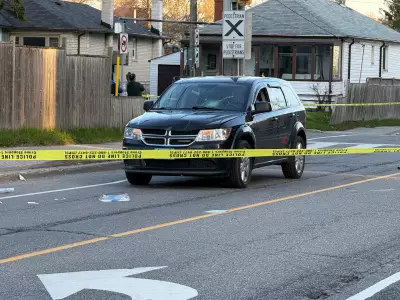
Disturbing forensic evidence was presented in a London courtroom this week, revealing that autopsy photographs show abrasions on the body of deceased toddler Nathaniel Wayne McLellan. The details emerged during a court proceeding on Friday, January 16, 2026.
Forensic Details Presented in Court
The court heard direct testimony concerning the post-mortem examination of the young child. A forensic pathologist or related official presented the autopsy findings, which included the presence of multiple abrasions on Nathaniel's body. While the exact nature, location, and severity of these abrasions were not fully detailed in the initial report, their mention in court marks a significant development in the ongoing legal process.
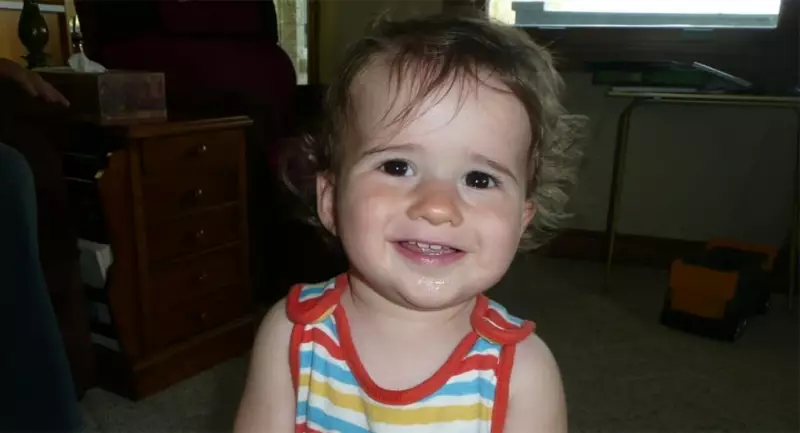
Nathaniel Wayne McLellan is remembered by his family and community through a memorial page on social media. An undated family photo shared there shows a happy child, a stark contrast to the grim details discussed in the judicial setting.

A Community Awaits Answers
The presentation of this forensic evidence is a critical step in a case that has undoubtedly gripped the local community. The revelation of physical evidence, such as abrasions, often forms a cornerstone in establishing the circumstances surrounding a death. The court hearing provides a formal channel for this information to be entered into the official record, moving the investigation and any potential proceedings forward.
At this stage, the broader context of the case—including how Nathaniel died, the events leading up to his death, and whether any charges have been or will be laid in connection with it—remains part of an active process. The introduction of the autopsy photos into the court's purview suggests the matter is progressing through the justice system.
The Path Forward
The disclosure of this evidence underscores the meticulous and often painful work undertaken in forensic investigations, especially those involving children. As the case continues, further hearings will be necessary to interpret this evidence, hear from additional witnesses, and determine the full narrative.
For now, the community and Nathaniel's loved ones are left with the difficult knowledge revealed in court, as they continue to seek justice and clarity. The case serves as a somber reminder of the tragedies that sometimes enter the judicial system, where cold facts and medical details must be weighed in the pursuit of truth.