Recent Antisemitic Attacks Underline Need for Royal Commission in Canada
Recent antisemitic attacks have left Canada's Jewish community on high alert, emphasizing the critical need for the federal government to address this escalating crisis with serious and immediate action. That is the urgent message from B'nai Brith Canada, which is calling on Ottawa to establish a royal commission dedicated to investigating and combating anti-Jewish hatred nationwide.
B'nai Brith's Call to Action
B'nai Brith Canada CEO Simon Wolle has publicly urged all Canadians to support a petition demanding the government launch a Royal Commission on Antisemitism in Canada. The organization argues that the current situation is untenable and requires a comprehensive investigation backed by full governmental authority. "The crisis of antisemitism is untenable and must be investigated with the full force of government action," Wolle stated, highlighting the growing fear within Jewish communities.
Escalating Violence and Vandalism
The call for a royal commission comes in the wake of a series of disturbing incidents across the country:

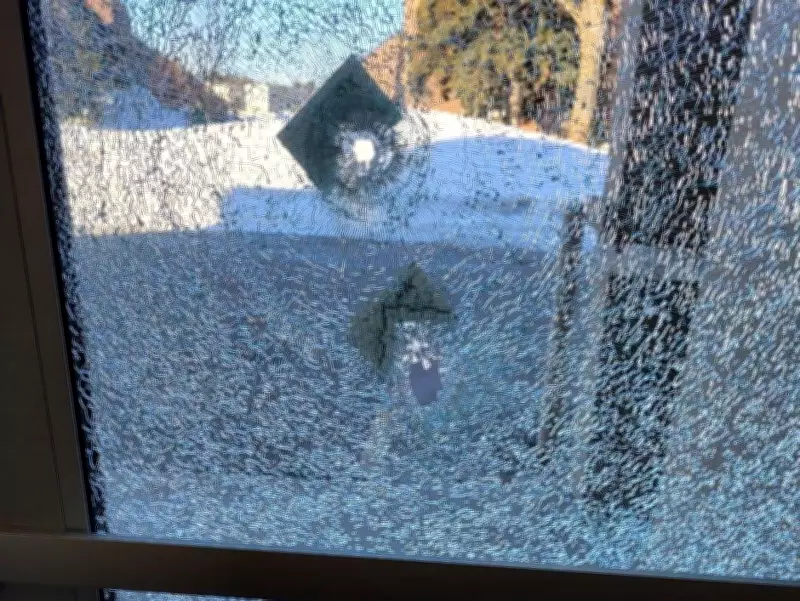
- On March 1, a Richmond Hill boxing gym owned by a prominent Iranian anti-regime critic was targeted in a shooting, with unknown gunmen firing 17 rounds at the establishment. This attack occurred just hours after Iranian Supreme Leader Ayatollah Ali Khamenei was killed in an airstrike, sparking renewed anti-Jewish sentiments.
- Two days later, on March 3, gunmen opened fire at Temple Emanu-El in North York shortly after worshippers had left Purim services. Fortunately, no injuries were reported in either shooting incident.
- On March 5, swastikas were spray-painted on several Jewish-owned businesses in Montreal's St-Laurent borough, including a pharmacy, a butcher shop, and a Kosher restaurant. Montreal police are currently investigating this act of vandalism.
Historical Context and Ongoing Threats
The recent wave of antisemitism is not an isolated phenomenon. Following the October 7, 2023 Hamas terror attacks in Israel, which involved brutal assaults on Israeli communities, anti-Israel and far-left radicals in Canada initiated their own campaigns against Jewish communities. This has resulted in hundreds of anti-Israel demonstrations, university campus encampments, and intimidation marches through Jewish neighborhoods.
Additionally, numerous Jewish-owned businesses, schools, community centers, and places of worship have been subjected to gunfire, vandalism, and arson attacks. Toronto police have reported making over 460 arrests and laying more than 1,000 charges in connection with anti-Israel protests, underscoring the scale of the issue.
International Comparisons and Government Response
In January, B'nai Brith Canada appealed directly to Prime Minister Mark Carney to establish a royal commission on antisemitism. Such a commission would involve experts and community stakeholders to develop effective strategies for combating anti-Jewish hatred. This move would mirror actions taken by the Australian government after the Bondi Beach massacre, where gunmen attacked a Hanukkah celebration, killing 15 people and injuring 40 others.
Israel's deputy foreign minister warned late last year that Canada's escalating antisemitism makes the country vulnerable to a similar anti-Jewish terror attack. Wolle echoed this concern, questioning, "What will it take for the Government to develop a whole-of-government approach to confront antisemitism? A Bondi-style attack on a gathering of Jewish Canadians?"
The ongoing military operations targeting Iran's despotic regime have further fueled anti-Jewish attacks in Canada, highlighting the international dimensions of this domestic crisis. As antisemitic incidents continue to rise, the push for a royal commission grows stronger, with advocates insisting that only a coordinated, government-led effort can address the root causes and protect vulnerable communities.