Alabama Governor Grants Clemency to Elderly Man on Death Row
In a significant move, Alabama Governor Kay Ivey, a Republican, commuted the death sentence of Charles "Sonny" Burton, a 75-year-old man who, by the state's own admission, never killed anyone. This decision, made on Tuesday, reduced Burton's sentence to life without the possibility of parole, just days before his scheduled execution by nitrogen hypoxia on Thursday. This marks only the second time Ivey has commuted a death sentence since taking office in 2017.
Background of the Case
Burton was involved in a 1991 robbery in Talladega that resulted in the fatal shooting of Doug Battle by another participant, Derrick DeBruce. Under Alabama's felony-murder statute, anyone involved in a felony that leads to a death can be held criminally responsible, regardless of intent. Burton was sentenced to death, while DeBruce, who was convicted of the shooting, later had his sentence reduced to life without parole and died in prison in 2020.
Prosecutors argued at trial that Burton was the leader of the robbery plot, though they never proved he intended to kill. An appeals court found issues with Burton's trial, including ineffective assistance of counsel and misrepresentations of the law. Six of the eight living jurors wrote letters to Ivey expressing no opposition to clemency, with three specifically requesting commutation.

Appeals for Mercy
The victim's daughter, Tori Battle, wrote an op-ed and a letter to Ivey urging clemency, stating that her father valued peace and did not believe in revenge. She emphasized that justice should be measured by truth and mercy. Burton has apologized for his role in the crime, writing to the Battle family about his remorse over the past 25 years.
Burton's personal history includes a childhood marked by abuse and a life spent in and out of prison. His wife and her friend were fatally stabbed while he was incarcerated for an unrelated conviction, and the man responsible received a life sentence. Burton forgave him and encouraged his children to do the same.
Health and Execution Concerns
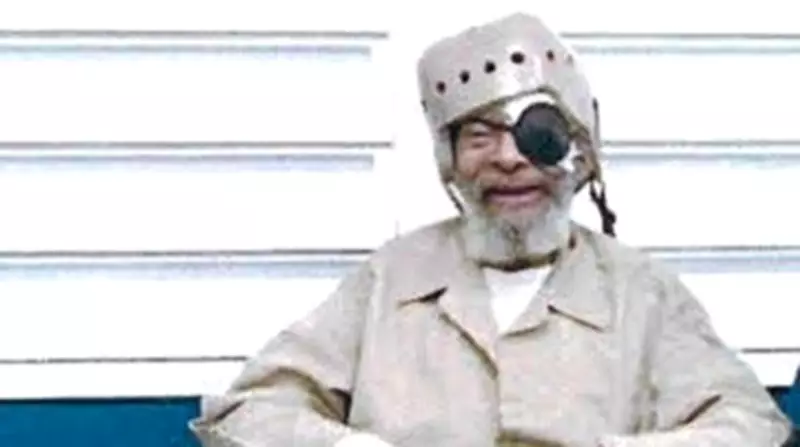
Burton is in poor health, using a wheelchair and wearing a padded helmet due to frequent falls. He suffers from rheumatoid arthritis, describing the pain as severe. His family expressed concerns about his limited time left, regardless of the execution.
The planned execution method, nitrogen hypoxia, has been criticized for causing distress. Alabama used it for the first time in 2024 on Kenneth Smith, who showed signs of panic before death. Burton's lawyer, Matt Schulz, who has represented him since 2008, noted the arbitrary application of the death penalty in similar cases, such as in Oklahoma where Governor Kevin Stitt commuted a death sentence under comparable circumstances.
Conclusion
Governor Ivey's decision highlights ongoing debates about the fairness and application of the death penalty, particularly in felony-murder cases. Burton's commutation reflects a growing recognition of the need for mercy and justice reform, supported by appeals from jurors, the victim's family, and legal advocates.