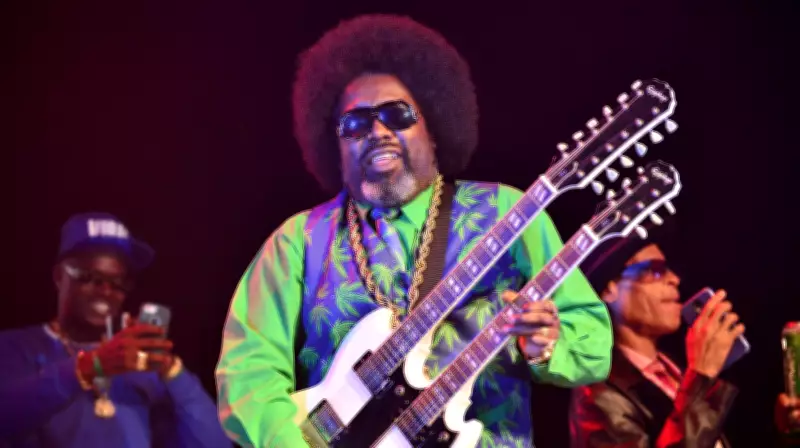
Rapper Afroman Triumphs in Defamation Lawsuit Brought by Ohio Law Enforcement Officers
In a significant legal victory for artistic expression, jurors have ruled in favor of rapper Afroman in a high-profile defamation lawsuit. Several Adams County sheriff's deputies in Ohio had accused the musician of defamation and sought a staggering $3.9 million in damages, according to multiple reports. The lawsuit stemmed directly from Afroman's creative response to a controversial 2022 raid on his residence.
The Raid That Sparked a Musical and Legal Firestorm
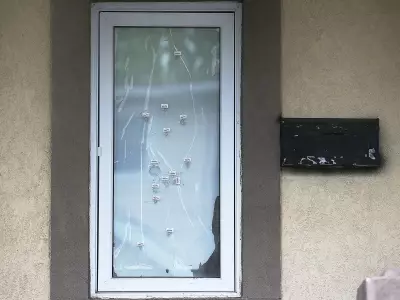
The legal confrontation began after deputies executed a warrant on Afroman's home, citing suspicions of drug trafficking and kidnapping. During the operation, authorities entered with guns drawn and confiscated over $5,000 in cash along with other property from the rapper, whose legal name is Joseph Foreman. Notably, the raid did not lead to any criminal charges being filed against Foreman.
Undeterred, Foreman channeled the experience into his art. He produced several songs and corresponding music videos, including "Lemon Pound Cake," "Will You Help Me Repair My Door," and "Licc'em Low Lisa"—a track named after one of the involved officers, Lisa Phillips. The plaintiffs in the case were deputies Lisa Phillips, Shawn D. Cooley, Justin Cooley, Michael D. Estep, Shawn S. Grooms, Brian Newland, and Randolph L. Walters, Jr.

Afroman's Defense: Freedom of Speech and Turning Adversity into Art
During court proceedings, Afroman, who once ran for president, delivered a powerful statement in his defense. "I got freedom of speech. After they run around my house with guns and kick down my door, I got the right to kick a can in my back yard, use my freedom of speech, and turn my bad times into a good time, yes I do," Foreman told the court, as reported by Billboard. He further emphasized, "And I think I'm a sport for doing so, because I don't go to their house, kick down their doors [and] then try to play the victim and sue them."
The deputies argued that Foreman's musical content led to severe personal consequences, including receiving threats and experiencing significant emotional distress. However, the jury found these claims insufficient to override the protections afforded by the First Amendment.
ACLU Intervention and Characterization as a SLAPP Suit
The American Civil Liberties Union weighed in on the case with a 2023 amicus brief, strongly condemning the lawsuit. The ACLU described the legal action as "nothing short of absurd" and labeled it a classic Strategic Lawsuit Against Public Participation (SLAPP) suit. "This case is a meritless effort to use a lawsuit to silence criticism. And not just any criticism, but criticism specifically of government actors," the brief stated.
It further criticized the plaintiffs' approach, noting, "Plaintiffs do not identify the substance of any particular statement in the videos—or for that matter, anywhere else—that they claim is false. Instead, the central focus of their complaint is that Mr. Foreman is making money off of his video commentary and related merchandise, and is criticizing Plaintiffs harshly in the process. That is not tortious conduct; it is protected speech."
The Aftermath: Afroman Continues His Creative Commentary
The legal battle has not silenced the Los Angeles-born artist, best known for his hit "Because I Got High." In fact, Afroman has continued to produce music inspired by the raid. Just recently, he released a new track titled "BATTERAM HYMN OF THE POLICE WHISTLE BLOWER," in which he once again raps about and satirizes the 2022 incident. This ongoing artistic output underscores his commitment to using music as a form of social commentary and personal expression, despite legal challenges.
This case highlights the ongoing tension between law enforcement actions and artistic freedom, setting a precedent for how similar disputes might be adjudicated in the future. The jury's decision reinforces the broad protections for speech that criticizes government officials, especially when such expression is transformative and rooted in personal experience.