ADL Chief Declares Anti-Zionism as Bigotry Amid Unprecedented Antisemitic Surge
WASHINGTON, D.C. — Jewish communities across North America are facing escalating concerns as antisemitic incidents reach unprecedented levels both in the United States and globally. Recent audits from prominent organizations reveal alarming statistics, with the Anti-Defamation League documenting a staggering 900 percent increase in antisemitic incidents over the past decade.
Record-Breaking Incidents in Canada and Campus Flashpoints
Canada has experienced its highest recorded levels of hatred against Jewish people, with B’nai B’rith reporting 6,219 antisemitic incidents in 2024 alone. This troubling trend coincides with increased tensions on university campuses including McGill University, University of Toronto, and Columbia University, where anti-Israel protests have intensified following the October 7, 2023 Hamas attack on Israel.
The situation has prompted government responses targeting certain academic institutions and stricter student visa regulations, often intertwining antisemitism with broader cultural debates surrounding diversity initiatives and social justice movements. As Canadian Jewish communities advocate for enhanced security measures at synagogues and Jewish schools, National Post conducted an exclusive interview with ADL CEO Jonathan Greenblatt to examine the definition of antisemitism and the distinction between legitimate criticism and bigotry.

Defining the Line: When Criticism Becomes Bigotry
How do you define antisemitism and why include anti-Zionism? Where is the line between legitimate policy critique and bigotry?
"Antisemitism represents the world's oldest form of hatred," Greenblatt explained. "It has persisted for millennia, proving to be one of the most stubborn and enduring prejudices. This bigotry manifests in numerous ways, ranging from violent attacks and synagogue vandalism to harassment of Jewish students on college campuses. At its most fundamental level, antisemitism constitutes hatred directed toward Jewish people as a collective."
The ADL provides extensive educational resources through platforms like Antisemitism Uncovered, which explores historical tropes including blood libel accusations and conspiratorial theories about Jewish control over governments and economies. For comprehensive definitions, Greenblatt directs attention to the International Holocaust Remembrance Alliance's Working Definition of Antisemitism, widely recognized as the most accepted standard internationally.
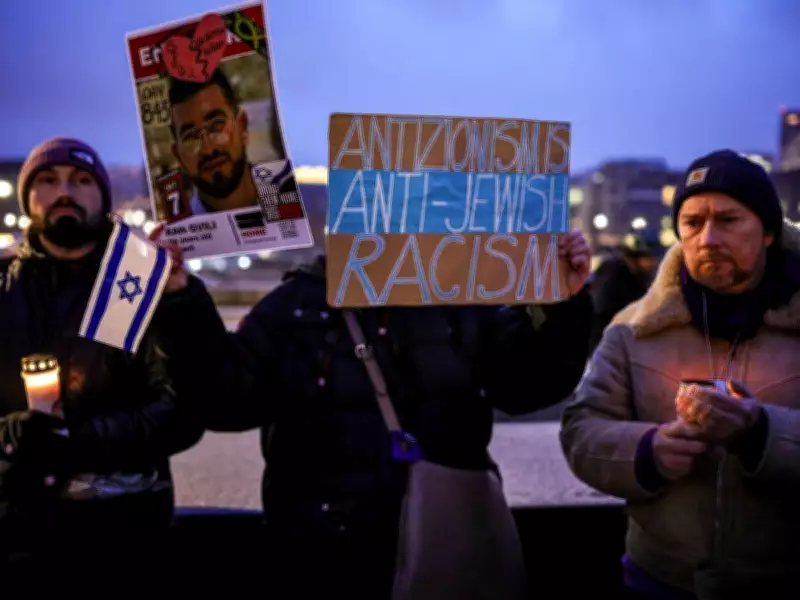
"I want to be absolutely clear: Not all criticism of Israel qualifies as antisemitic," Greenblatt emphasized. "There exists substantial criticism of the Israeli government within Israel itself, and our organization has occasionally criticized specific decisions made by Israeli leadership. However, when individuals adopt anti-Zionist positions asserting that the Jewish state lacks the right to exist within the ancestral homeland of Jewish people, or advocate for the expulsion of Jews from Israel, this crosses a definitive boundary from legitimate political criticism into the territory of antisemitism."
Evolving Threats and Violent Manifestations
How has defamation of Jews in America changed in recent years, and what factors contribute to this evolution?
"Antisemitic incidents have reached unprecedented levels in the United States and globally during recent years," Greenblatt stated. "Similar to the patterns observed in Canada, America has experienced horrific and violent antisemitic crimes. Within just the past year alone, the American Jewish community has witnessed a series of shocking attacks including the burning of twelve individuals during a hostage march in Boulder, Colorado, a synagogue arson in Jackson, Mississippi, and the murder of a young Jewish couple in Washington, D.C."
These violent manifestations underscore the urgent need for comprehensive strategies addressing both physical security concerns and educational initiatives combating prejudice. The ADL's documentation reveals that contemporary antisemitism frequently intersects with anti-Zionist rhetoric, creating complex challenges for Jewish communities navigating safety concerns while preserving open discourse about Middle Eastern politics.

As Jewish organizations push for enhanced protective measures and governments reconsider campus policies, the distinction between political criticism and prejudicial rhetoric remains central to addressing what Greenblatt describes as "going far beyond mere rhetoric" in its impact on Jewish communities worldwide.