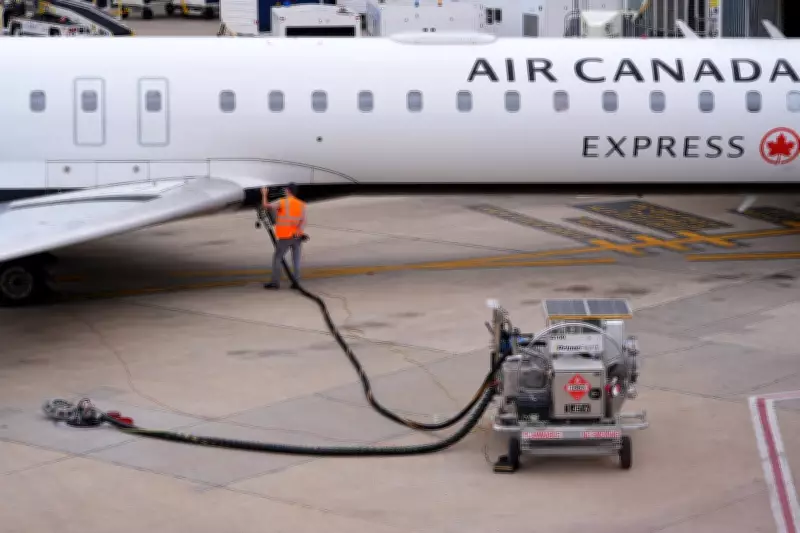
Air Canada has suspended its full-year guidance for 2026, citing uncertainty in jet fuel costs amid volatile oil markets. The decision comes as global energy prices experience wild swings driven by geopolitical tensions, including renewed threats of U.S. strikes on Iran.
Fuel Cost Volatility Hits Airlines
The Canadian flag carrier announced the move on Wednesday, withdrawing its previous financial outlook for the next fiscal year. Jet fuel represents a significant portion of airline operating expenses, and recent fluctuations have made forecasting difficult. The price of crude oil has seesawed in recent weeks, influenced by trade policy shifts and Middle East instability.
Industry-Wide Implications
Air Canada is not alone in facing these headwinds. Other major airlines have also struggled to predict costs, with some passing higher fuel expenses on to customers. Canada Packers, a pork company, confirmed it is transferring increased fuel costs to consumers, highlighting the broader economic impact.

The suspension of guidance adds to challenges for Air Canada, which has been navigating post-pandemic recovery, labor shortages, and competitive pressures. The airline emphasized that it remains focused on operational efficiency and cost management.
Market Reaction
Investors reacted cautiously, with Air Canada shares dipping slightly in afternoon trading on the Toronto Stock Exchange. Analysts note that the lack of forward visibility could weigh on the stock until fuel price trends stabilize.
The company has not provided a timeline for reinstating its guidance, stating it will monitor market conditions closely. Air Canada continues to operate its full schedule and reaffirmed its commitment to customer service and safety.