Treaty 7 G4 Nations Voice Strong Opposition to Alberta Separation and Bill 14
The Treaty 7 G4 Nations have taken a firm stance against any proposals or initiatives aimed at separating Alberta from Canada, issuing a powerful statement on Monday that criticizes both separation efforts and the provincial government's Bill 14. The group, comprising the Tsuut'ina, Bearspaw, Chiniki, and Goodstoney First Nations, emphasized that such political movements threaten the constitutionally protected Treaty relationship between Indigenous nations and the Crown.
Bill 14 and Separation Referendum Efforts
Bill 14, which came into force in December and amended citizen initiative rules for a second time last year, has enabled renewed efforts for a referendum on Alberta separation. Under the new regulations, the Alberta Prosperity Project is currently seeking signatures for its petition, with a deadline of May 2 to gather approximately 178,000 signatures required to move forward with a referendum vote.
The Treaty 7 G4 Nations argue that Bill 14 attempts to give legitimacy to referenda questions they deem unconstitutional. "The Treaty relationship remains as a covenant with our ancestors and the Crown," stated the group. "It is not subject to alteration by provincial legislation or political movements. Our Treaties endure for as long as the sun shines, the grass grows, and the rivers flow."

Constitutional Concerns and Treaty Rights
The Treaties were established with the British Crown before Alberta became a province and are constitutionally protected, creating a direct relationship that the Nations argue cannot be undermined by provincial actions. The statement, endorsed by the chief of each First Nation, warns that asking such "politically charged questions" creates a destructive and divisive environment for all Albertans.
This opposition follows similar statements from other Indigenous groups, including last month's declaration by the Confederacy of Treaty No. 6 against the petition seeking a referendum on Alberta independence. The growing consensus among Treaty nations highlights broader concerns about how separation initiatives might impact Indigenous rights and relationships established through historical agreements.
Political Context and Leadership
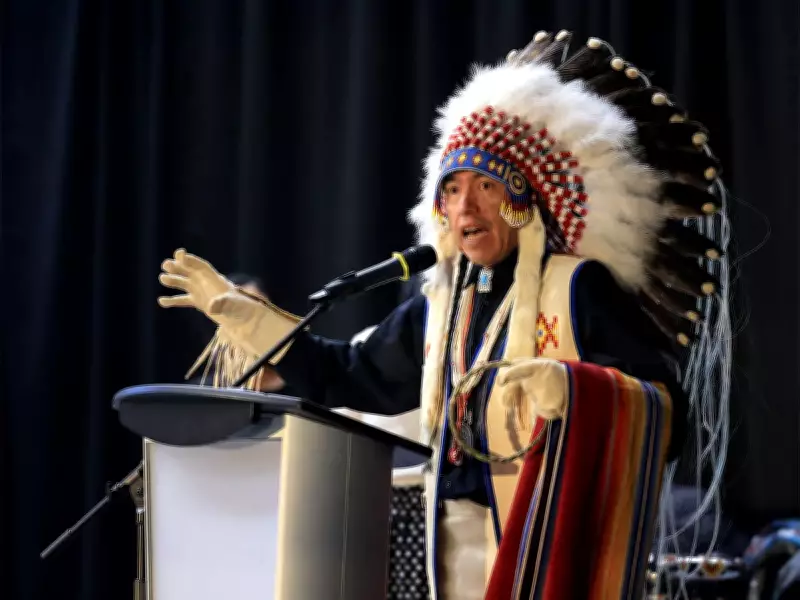
Among those opposing separation is newly elected Tsuut'ina Nation Head Chief Ellery Starlight, who was sworn in on November 26, 2025. His inclusion in the Treaty 7 G4 Nations' statement underscores the continuity of leadership in defending Treaty rights against contemporary political challenges.
The Nations' declaration comes amid ongoing political debates in Alberta, including Premier Danielle Smith's advocacy for a Quebec-style immigration model and other provincial initiatives that have sparked controversy. The Treaty 7 G4 Nations' position adds a significant Indigenous perspective to these discussions, emphasizing that constitutional protections for Treaties must remain inviolable regardless of political changes or movements within the province.