Federal Government Announces Major Funding Boost for Jordan's Principle
The Canadian federal government has committed a substantial $1.55 billion to bolster Jordan's Principle, a policy designed to ensure First Nations children receive timely access to public services. This significant financial injection aims to address historical gaps in healthcare, education, and social support for Indigenous youth across the nation.
Advocates Acknowledge Progress but Highlight Persistent Challenges
While the funding announcement marks a positive step forward, Indigenous advocates and community leaders emphasize that much more work remains to be done. They point out that systemic barriers and bureaucratic delays continue to hinder the full implementation of Jordan's Principle, leaving many children without the essential services they desperately need.
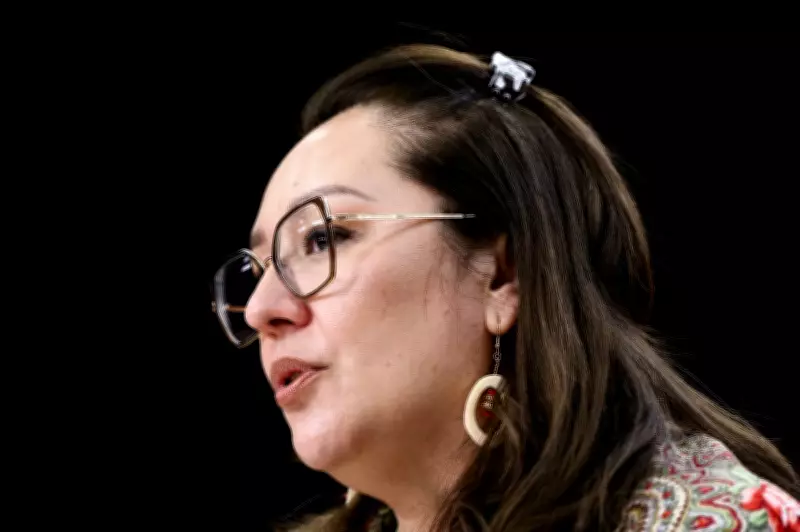
Mandy Gull-Masty, the Minister of Indigenous Services, highlighted the government's commitment during a recent press conference in Ottawa. "This investment reflects our dedication to rectifying past injustices and ensuring equitable access for all Indigenous children," she stated. However, critics argue that without comprehensive reforms and ongoing oversight, the funding alone may not achieve lasting change.

The Urgent Need for Sustained Efforts and Systemic Reform
Advocates stress that the $1.55 billion must be accompanied by robust accountability measures and community-led initiatives. They call for increased transparency in how funds are allocated and utilized, as well as greater involvement of Indigenous organizations in decision-making processes. The goal is to create a sustainable framework that goes beyond financial support to address root causes of inequality.
Key areas of concern include:
- Ensuring timely processing of requests for services under Jordan's Principle.
- Improving coordination between federal, provincial, and territorial governments.
- Addressing the unique needs of remote and underserved Indigenous communities.
- Implementing cultural competency training for service providers.
The debate underscores a broader national conversation about reconciliation and the fulfillment of Canada's obligations to Indigenous peoples. As the government moves forward with this funding, advocates remain vigilant, pushing for concrete actions that translate financial commitments into tangible improvements in the lives of Indigenous children and families.